

Planning a wedding close to home already asks a lot of you: time, decisions, and more spreadsheets than anyone really wants to talk about. Planning a wedding in a place you don’t live—at a venue you may have only seen once, with vendors you’ve never met in person—asks something different. It asks you to trust people and places you can’t easily “drop in” on, and to make big decisions from a distance.
That’s why destination weddings feel so uniquely thrilling and, if we’re honest, a little intimidating. You might be picturing a ceremony on the edge of Lake Erie, a garden party in a historic Southern town, a weekend at a New England inn, or a tented reception at a family estate in the countryside. Each of those ideas is beautiful. Each of them, behind the scenes, is a layered production: travel, accommodations, local laws, rental logistics, weather patterns you don’t know well, and guests who need more guidance than they would for a wedding in your hometown.
A destination wedding planner sits in the middle of all of that. Not as a travel agent, not as a venue manager, and not as a salesperson who “handles everything,” but as the person who can look at your weekend as a whole and say, “Here’s how this can actually work—and here’s where we need to adjust so it still feels like you.”
Many couples assume that a resort coordinator, hotel events manager, or family friend can fill that role. Sometimes they can help with parts of it. But if you’re drawn to historical venues, boutique hotels, inns, private estates, or tented celebrations—especially across multiple days—there are details and decisions that benefit from someone whose entire job is planning destination weddings.
This guide is written for couples in that in-between space: already engaged, already curious about a celebration away from home, and trying to figure out what kind of support you actually need. It draws on experience planning destination weddings throughout the Midwest, East Coast, and Southern United States, where lakeside towns, old brick streets, and wide lawns all come with their own quirks. The goal here isn’t to sell you on a particular service level; it’s to give you a clear sense of how destination wedding planners work, how to choose one, and what collaboration really looks like when your celebration is not in your own backyard.
What a Destination Wedding Planner Really Does
“Destination wedding planner” is one of those phrases that sounds straightforward until you start asking people what it means. Some planners use it to describe international work only. Others use it for any wedding where most guests travel. The reality: it’s less about the passport stamp, more about planning in a place that is not your day-to-day environment.
The core responsibilities (beyond logistics)
At its heart, destination wedding planning is about translating your vision into an event that works in a specific place, on a specific weekend, with real-world constraints. Yes, that involves logistics. It also involves:
– Interpreting your priorities and values, not just your Pinterest board
– Understanding how a town, property, or venue behaves in different seasons and scenarios
– Anticipating pressure points long before you feel them (guest travel, vendor availability, weather, noise ordinances, and more)
The visible part is the wedding. The invisible part is the scaffolding under it: budgets, contracts, timelines, tent specs, power layouts, rentals, staffing, and a hundred quiet decisions you’ll never need to hear about unless something goes sideways.
Service levels you’ll usually encounter
Most destination planners structure their work into a few broad categories. The names vary; the intent is similar.
Full-service destination planning
Full-service (or end-to-end) destination planning is the most comprehensive option. It usually begins before a venue is even selected and continues through post-wedding wrap-up. In practical terms, this can include:
– Helping you clarify the kind of environment you’re drawn to (lakeside, urban historic district, countryside, coastal, etc.)
– Researching and shortlisting regions and venues that match your guest count, budget, and aesthetic
– Building and maintaining a detailed budget, with ongoing updates as quotes come in
– Sourcing, vetting, and managing your vendor team—often across more than one market
– Creating your overall design direction: color stories, textures, floor plans, lighting, and guest flow
– Overseeing infrastructure: tent builds, generators, restrooms, catering kitchens, parking, and shuttles
– Developing a weekend-long timeline, not just a wedding-day schedule
– On-site management for the wedding and usually other events (welcome party, rehearsal dinner, farewell brunch)
Full-service is especially valuable when you’re working with non-resort venues, custom tents, historical properties, or private estates, because there aren’t built-in systems to lean on. The planner essentially becomes the general contractor for the experience.
Partial destination planning
Partial planning is more focused. It’s common when:
– You’ve already booked your venue and possibly a photographer or band
– You enjoy research, but you don’t want to oversee logistics or design alone
– You’re comfortable with some vendor outreach, but want a professional to curate final selections, handle contracts, and bring everything together
A partial planning scope typically covers:
– Refining and tracking your budget as the planning progresses
– Recommending and securing remaining key vendors
– Leading the design process, including rentals, florals, and layout
– Creating timelines and managing the event on-site
– Coordinating with your venue, hotel, and transportation providers
The key difference from full-service is where your planner enters the story and how many decisions they’re steering versus supporting.
Month-of or event management
Month-of coordination (sometimes called event management) is for couples who have done the majority of the planning themselves and want a professional to run the actual weekend.
That planner will generally:
– Review your vendor contracts and confirm all details
– Create a thorough wedding-day (and sometimes weekend) timeline
– Lead the rehearsal and manage events on-site
– Serve as point of contact for vendors and families
– Troubleshoot issues so you and your loved ones can stay out of logistics
For a straightforward hotel ballroom wedding, month-of support can be enough. For destination weddings that involve tenting, private property, or historical venues, it’s less ideal. Many of the most consequential decisions—permits, power, tent size, guest transportation—happen months before your wedding. If a planner is only involved 4–6 weeks out, their ability to course-correct is limited.
How a destination planner differs from other roles
Part of the confusion around destination wedding planners comes from overlap with other professionals. Understanding the distinctions helps you see who does what.
Venue and resort coordinators
Venue coordinators (or catering managers) are employed by the venue. Their responsibilities usually revolve around:
– Managing your contract with the venue
– Coordinating in-house catering and bar, if applicable
– Overseeing venue staff and basic room setups
– Ensuring the venue’s policies and timelines are followed
Very few venue coordinators:
– Manage your full vendor team
– Build or track your total wedding budget
– Oversee off-site events (welcome dinners, farewell brunches)
– Coordinate guest travel or transportation schedules
– Provide holistic design across rentals, florals, paper goods, and lighting
Their focus is the property they represent—which is important—but it is not the same as having an advocate whose responsibility is the entire weekend experience.
Travel advisors and destination planners
Travel advisors specialize in flights, hotels, and sometimes group bookings or room blocks. They can be invaluable for complicated itineraries or international travel, and many couples use them alongside a wedding planner.
A travel advisor typically does not:
– Design your ceremony and reception spaces
– Manage vendor contracts, timelines, or on-site execution
– Navigate venue policies around events, tenting, or noise
Think of them as partners who handle how everyone gets there and where they sleep, while a destination wedding planner handles what happens once they arrive.
Local planners vs. destination specialists
Many planners are deeply rooted in a single city or region. They may be wonderful at what they do locally. Destination-focused planners, on the other hand, tend to:
– Work regularly in multiple regions (for example: Great Lakes towns, New England coastal areas, Southern estates)
– Build systems for planning remotely: virtual walk-throughs, detailed questionnaires, shared planning portals
– Maintain vendor relationships across markets and understand how to bridge gaps in local offerings
– Travel for site visits, tastings, and production meetings where needed
Neither is inherently “better.” The question is whether their experience lines up with the kind of wedding you want and where you want to host it.
Special Considerations for Non-Resort Destinations
When people think “destination wedding,” they often picture an all-inclusive resort where most of the infrastructure already exists. Many couples, though, are drawn to the character of places that are not resorts: historical venues, tented properties, boutique inns, private estates, or small city hotels that don’t have a built-in events machine.
Those spaces are often more personal, more flexible, and more aligned with a specific story you want to tell. They also require a different level of planning.
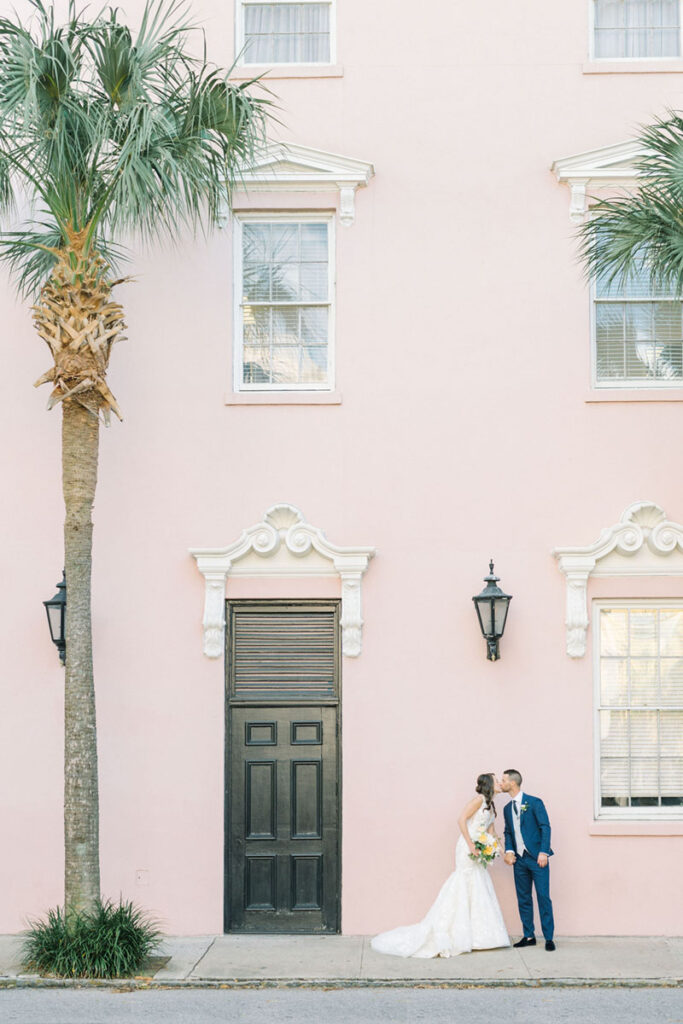
Historical venues
Historical venues—from Gilded Age mansions to beaux-arts museums to centuries-old inns—come with charm and regulations in equal measure. Typical considerations include:
– Restrictions on open flames, hanging installations, and heavy décor
– Protected floors, staircases, or fixtures that limit where bars, bands, or dance floors can go
– Short setup and breakdown windows to protect the property
– Required or strongly preferred vendor lists
– Local noise ordinances and curfews
A destination planner who works regularly with historical sites will know how to design within those boundaries in a way that feels deliberate—not like a compromise. They’ll also be realistic with you early about what a particular building can and cannot accommodate.
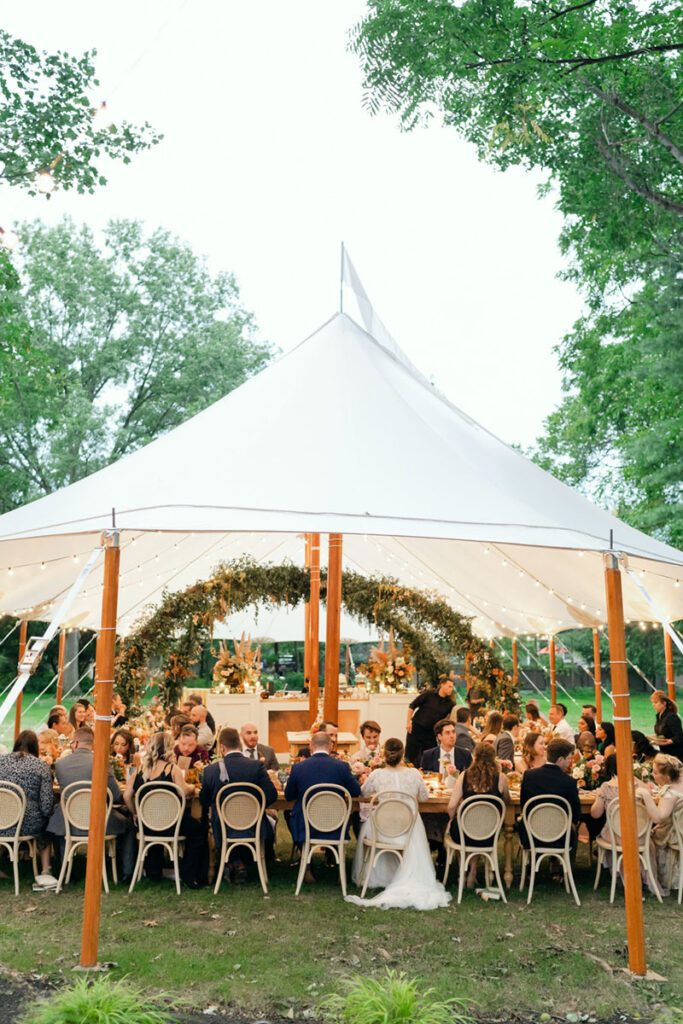
Tented weddings and estate celebrations
A tented wedding at a private estate sounds simple: “We’ll just put up a tent in the yard.” In reality, it’s closer to constructing a temporary venue. Behind that one sentence live questions about:
– Tent style (sailcloth, clear top, frame, pole) and size
– Flooring, staging, and weather considerations
– Power needs for catering, lighting, band or DJ, restrooms, and heating or cooling
– Generator sizing and placement
– Restroom trailers and handwashing stations
– Parking, shuttles, and emergency access routes
– Permits and inspections for temporary structures
An experienced planner will bring in trusted tent and rental partners early, map out the property, and create scaled diagrams. Think of them as the person making sure the romantic idea you have in your head matches what the land, budget, and local regulations can support.
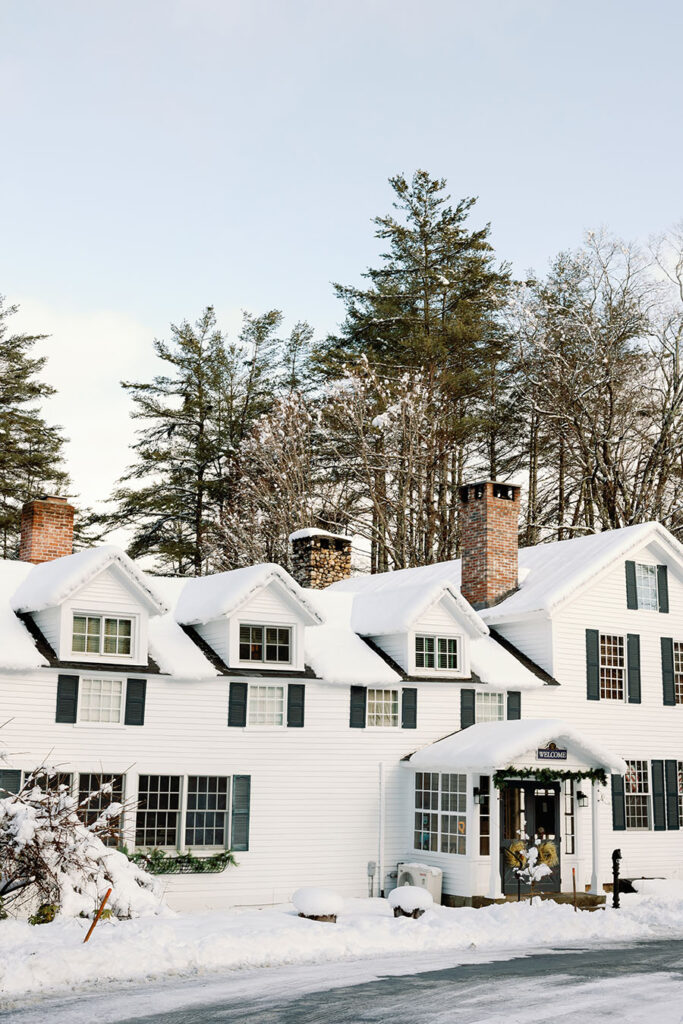
Boutique hotels, inns, and small properties
Boutique hotels and inns can be ideal for destination weddings: they’re intimate, they often reflect the character of a town, and a full buyout can feel like your own private compound. The trade-off is that they rarely come with everything a large resort provides.
A planner helps you evaluate:
– How many rooms are available and how that matches your guest count
– Whether you need a full buyout to host late-night events or pool gatherings
– Catering capabilities (in-house vs. outside catering)
– Where to place ceremony, cocktail hour, and reception to keep the property flowing well
– How to handle overflow rooms at nearby hotels and transportation between them
Local knowledge and the “outsider advantage”
Local knowledge matters. Knowing that a particular coastal road floods after heavy rain, or that a small city’s marathon weekend doubles hotel rates, is immensely helpful. But there’s also a case to be made for a planner who is used to stepping into new markets and figuring them out.
Destination planners often balance both:
– They cultivate relationships with local vendors and venue teams
– They bring a tested structure for vetting new venues and suppliers
– They know which questions to ask city officials, tent companies, and venue managers because they’ve asked them in other regions too
That combination—respect for local nuance, plus a wide lens on how destination weddings work in general—is what allows complex weekends to run smoothly.
Do You Actually Need a Destination Wedding Planner?
There’s no universal rule that says every destination wedding must have a planner. Some couples truly enjoy handling most of the details. But it’s helpful to sit with a few questions before deciding.
Questions to ask yourselves (privately, and honestly)
– How complex is the weekend you’re imagining? One ceremony and reception at a hotel is different from a welcome party, a private club rehearsal dinner, a tented reception, and a farewell brunch.
– How comfortable are you interpreting contracts and scopes of work from vendors in another region?
– How much time can you realistically devote to planning in the next year, given your jobs and other obligations?
– How much uncertainty can you comfortably hold? (For example, are you okay not seeing rentals or tasting menus in person until closer to the date?)
– Are any family members expecting a say in decisions—and will that complicate logistics?
None of these questions have “right” answers. They simply reveal what kind of support will feel grounding versus what might feel like overkill.
Situations where a planner is strongly recommended
A dedicated destination wedding planner is usually worth serious consideration when:
– You’re hosting at a private estate, family property, or under a tent
– Your venue is a historical building with strict rules
– Your destination is far from major airports or has limited accommodations
– You’re planning multiple events across different locations
– You’re expecting a large number of out-of-town guests
– You’re juggling demanding careers, caregiving responsibilities, or travel-heavy schedules
These are the scenarios where “hoping it comes together” usually leads to late nights, rushed decisions, or leaning heavily on family and friends who deserve to be guests, not backstage crew.
When lighter support may be enough
On the other hand, you might feel comfortable with a lighter touch if:
– You’re marrying at a full-service hotel or venue that includes major elements (food, beverage, rentals) in-house
– Your guest list is modest and your logistics are simple
– You’re very organized, enjoy project management, and are realistic about the time commitment
– You’re open to a consulting arrangement early on, then a month-of team to run the day
Some planners offer strategy sessions or “planning intensives” early in the process to help you set up your timeline, budget, and vendor priorities, even if you don’t hire them for full-service support. That kind of early guidance can prevent a lot of avoidable stress later.
Budget: what the planner line item really represents
It’s easy to see a planner’s fee as just another line in an already big spreadsheet. The less visible part is how that line item affects almost every other line. An experienced destination planner often:
– Steers you away from costly missteps (like under-sizing a tent or missing a permit requirement)
– Negotiates clear scopes and realistic minimums with vendors
– Helps you prioritize high-impact choices instead of scattering your budget
– Protects your time so you’re not spending evenings comparing linen SKUs or tracking shuttle quotes
It’s not that a planner “pays for themselves” in some guaranteed way. It’s that they help your total investment—financial and emotional—land in the right places.
How to Choose the Right Destination Wedding Planner
Once you know you want a planner, the question shifts from “if” to “who.” Fit matters as much as expertise. You’re not only hiring someone to manage vendors; you’re choosing the person you’ll email at odd hours, share family dynamics with, and trust with the tone of a weekend your guests will remember for years.
Get clear on your own priorities first
Before you open a search engine, pause and write down a few specifics:
– The regions you’re drawn to (Great Lakes, New England, Mid-Atlantic, Lowcountry, etc.)
– The style of venue you prefer (historic hotel, museum, inn, urban loft, private estate, lakefront property)
– The approximate guest count
– Whether design is a top priority, or whether you care more about food, music, or guest activities
– How involved you want to be in decision-making day-to-day
You don’t need a finished vision board. You just need enough direction that you can recognize when a planner’s strengths match what you need.
Where to look for destination wedding planners
Planners who regularly handle destination work tend to show up in a few places:
– Google searches with specific regional terms: “Midwest destination wedding planner,” “East Coast tented wedding planning,” “Southern private estate wedding designer.”
– Venue recommendation lists, especially at historical properties, museums, and estates.
– Credits in real weddings featured on sites like Brides, Martha Stewart Weddings, and Style Me Pretty.
– Photographer blogs and portfolios; photographers often highlight the planner because they know how much it impacts the day.
Social media can be useful as well, but it tells you more about a planner’s visual style than their logistics. Use it as a starting point, not the full story.

Evaluating experience, not just aesthetics
When you review a planner’s website or portfolio, look for patterns:
– Do you see weddings in the kinds of venues you’re considering (tent, estate, historic hotel, inn, museum)?
– Are there examples of multi-day destination weekends, not just single-evening events?
– Does their writing (blog posts, FAQs, captions) show comfort talking about logistics, not just pretty details?
– Do they work in multiple regions, or specialize in one area that happens to be where you’re heading?
Firms that consistently show tented celebrations, estate weddings, and boutique hotel weekends—especially across several regions—are likely familiar with the complexities you’ll encounter.
Assessing communication style and philosophy
During consultations, pay attention less to polished answers and more to how the conversation feels:
– Do they ask questions about you as people, not just your budget and color palette?
– Do they listen first, then respond with suggestions rooted in what you’ve shared?
– Are they clear about their process, boundaries, and how they work with families?
– Do you feel comfortable being candid with them about money, expectations, or concerns?
You’re looking for that combination of calm competence and human warmth—someone who can talk about generators and linen swatches in the same breath without making either feel like a crisis.
Useful questions to ask potential planners
You don’t need a script for every consultation, but a few targeted questions can tell you a lot:
– What kinds of destinations and venues do you work with most often?
– How many destination weddings do you take on per year?
– How do you structure the planning process for couples who don’t live nearby?
– What does your on-site team usually look like for a wedding like ours?
– Can you share an example of a challenging situation at a destination wedding and how you handled it?
– How are your fees structured, and what’s typically included?
Their answers will help you understand both their experience and how they think under pressure.
Understanding Pricing, Contracts, and Scope
Planners structure their fees in several ways. What matters most isn’t which model they use; it’s whether you understand it and whether it’s aligned with the scale of your wedding.
Common pricing approaches
– Flat fee: A set fee for a defined scope of work (full-service, partial, or event management). Often based on estimated hours and complexity.
– Percentage of budget: A percentage of your total wedding budget, sometimes with a minimum. More common for highly custom, high-budget events where workload scales with spending.
– Hybrid models: A base fee plus percentage, or a base fee plus production or travel charges.
For destination weddings, you’ll almost always see travel and accommodations for the planner’s team itemized separately. That’s normal; you’re asking them to be on-site for multiple days, sometimes with advance visits.
What a robust destination planning scope usually includes
While every firm defines things a bit differently, comprehensive destination planning frequently covers:
– Budget creation and ongoing management
– Venue and destination research and selection support
– Vendor curation, outreach, and communication
– Contract review (from a practical, non-legal perspective) and coordination
– Design concepting and refinement, including rentals, florals, and lighting
– Site visits and walk-throughs (virtual or in person)
– Weekend timeline development
– Rehearsal oversight and wedding-day (often multi-day) on-site management
Key contract details to pay attention to
When you receive a planner’s contract, look closely at:
– What’s explicitly included in the scope—and what’s not
– How many site visits are built into the fee
– Travel, lodging, and per diem requirements for the planner’s team
– Payment schedule, retainers, and accepted forms of payment
– Rescheduling, cancellation, and force majeure clauses
– Policies for additional events added later (for example, if you decide to host a welcome party after contracts are signed)
If any section feels opaque, ask for plain-language clarification. You’re not being difficult; you’re setting both sides up for a clear partnership.

Choosing the Destination, Venue, and Guest Experience Together
One of the most helpful roles a destination wedding planner can play is in the early decision-making about where, exactly, this wedding should live—and what your guests will experience over the course of the weekend.
Evaluating destinations through a practical lens
A place can be gorgeous on Instagram and still be a difficult fit for your guest list. A planner will typically walk you through:
– Travel access: The nearest airports or train stations, typical routes for guests, and seasonal flight patterns.
– Drive times: Not just the distance from airport to venue, but also between hotels, ceremony, reception, and brunch locations.
– Seasonality: What the weather usually does that time of year, and how high or low season affects rates and availability.
– Local events: Festivals, sports games, college graduations, or marathons that can impact hotel inventory and traffic.
This is where data meets feeling. That small lake town may check every aesthetic box, but if it only has one inn and your guest list is 180, you’ll need to think creatively—or consider an adjacent destination that offers a similar mood with better infrastructure.
Understanding what your venue actually includes
Venues describe inclusions very differently. Some provide everything from chairs to flatware; others provide the building and little else. Your planner can help you translate language like “tables and chairs included” into real numbers and quality.
At historical venues, they’ll walk through:
– Required caterers, rental providers, or security
– Curfew times and sound restrictions
– Where dancing is allowed (in some properties, not every room or level is available)
– Any required preservation staff, docents, or special insurance
At estates and private properties, they’ll help determine:
– Which areas of the property are usable for events (and which are better left for photos only)
– How to orient tents for light, views, and weather
– Where vendors can load in and park without damaging landscaping
– What the neighborhood or local government allows in terms of amplified sound and traffic
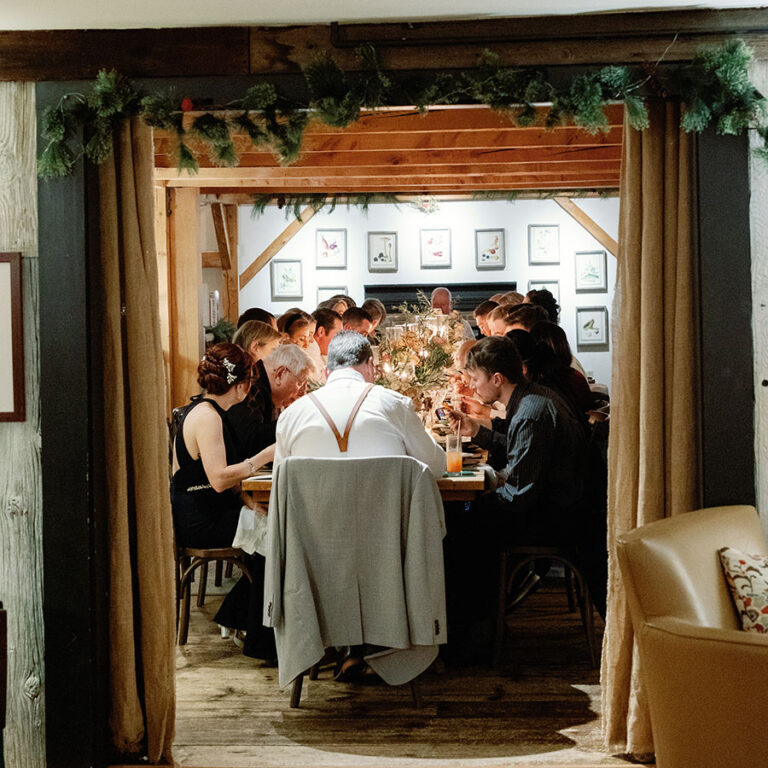
Designing the weekend as a narrative, not a checklist
Destination weddings naturally lend themselves to multi-day itineraries. The risk is that the weekend can start to feel like a conference if it’s overprogrammed.
A thoughtful planner will help you shape a rhythm:
– A gentle entry point (for example, an optional welcome cocktail hour or dessert-and-drinks after casual dinners out)
– One or two anchor events that feel fully produced (rehearsal dinner, wedding day)
– A softer landing (farewell brunch, coffee trucks on the lawn, or a casual beach or lake meet-up)
They’ll also help you incorporate the destination in ways that feel personal: a local bakery’s specialty in your welcome bags, a regional wine at your rehearsal dinner, or a short walking tour for guests who arrive early.

Keeping personalization grounded in practicality
There’s often a temptation to add touches “because it’s a destination wedding”—welcome gifts, excursions, after-parties, late-night snacks, and so on. Each of those can be lovely. They also add complexity.
Part of a planner’s role is gently asking:
– Will guests actually use this, or will it end up in a hotel trash can?
– Does this addition serve your story, or is it just filling space?
– Are we leaving room for people to rest, explore on their own, or spend time with family?
The destination should frame your celebration, not overshadow the reason everyone is there—you two, and the relationships you’re inviting into the weekend.
Design and Aesthetics When You’re Planning From Afar
Design looks glamorous on the surface—mood boards, color palettes, linen samples. Underneath, good design is mostly about restraint and alignment: aligning your aesthetic with the place, the budget, and how the weekend will actually feel in motion.
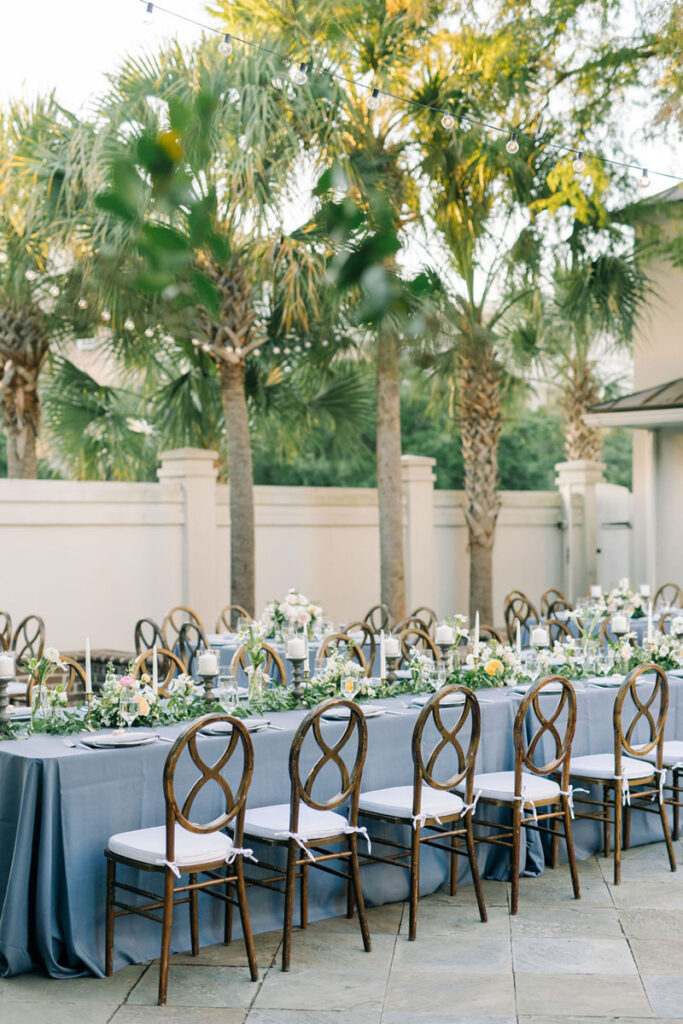
How planners translate your vision into a real space
Most destination planners begin with:
– Conversations about your everyday life (how you entertain, where you travel, what your home feels like)
– A few key images or references that genuinely resonate with you—not 200 saved posts with competing styles
– Details about your venue’s architecture, landscape, and existing colors
From there, they’ll create a design concept that usually includes:
– A loose color story grounded in the environment (shoreline neutrals, stone and brick tones, deep greens, etc.)
– Ideas for ceremony, cocktail hour, and reception layouts
– Floral direction tailored to the season and climate
– Linen, chair, and tableware suggestions that anchor the mood without overpowering the space
– Possibilities for lighting, which is often the most transformative design tool for tented and historic venues
Working with what the destination can realistically provide
A planner who frequently works across regions knows that not every market has the same inventory. The specialty chairs you love might be easy to source in New York City, but far less common in a small lakeside town. You may be able to truck them in—but should you?
Questions they’ll be quietly weighing:
– Is the visual impact of this item worth the additional delivery cost and complexity?
– Can we achieve a similar feel with pieces available locally?
– How will florals hold up in the region’s heat, humidity, or wind?
– Do we need tent flooring to keep guests comfortable if the ground is uneven or likely to be damp?
Some of the most beautiful destination weddings are the ones that lean into what the area does best instead of trying to import an entirely different aesthetic.
Avoiding the “theme park” version of your destination
It’s very easy to slide into visual clichés: anchors and shells at a coastal wedding, burlap and mason jars in the countryside, magnolia everything in the South. A planner with a strong design point of view will help you use the destination as a subtle layer, not a costume.
That might look like:
– Pulling a palette from local stone, water, or flora rather than literal symbols
– Commissioning artwork for your invitations that references the skyline or shoreline in an abstract way
– Featuring a regional specialty as one course or cocktail, instead of turning the entire menu into a travel brochure
– Including a short note on your programs about the venue’s history or the town’s significance to you
The result feels grounded and specific, without shouting “destination wedding” at every turn.
Logistics, Timelines, and Guest Travel: The Invisible Work
If the design is the part everyone sees, logistics are the part you feel—often only when something goes wrong. A destination wedding planner spends a significant portion of their time here, smoothing edges you might never know existed.
Building a destination-specific planning timeline
Most domestic destination weddings benefit from a planning window of about 12–18 months, especially if you want high-demand venues or peak-season dates. Within that window, your planner will help you:
– Secure venue and accommodations before sending save-the-dates
– Book core vendors in an order that protects your options (venue, planner, photographer, caterer, entertainment, floral, rentals)
– Schedule any in-person site visits to cover as much ground as possible (walk-throughs, tastings, hair and makeup trials)
– Time design decisions against rental release dates and floral ordering deadlines
– Plan when to launch your wedding website and when to send travel information to guests
Coordinating guest travel and accommodations
While your planner is not replacing a travel advisor, they often act as the connector between your room blocks, transportation, and event schedule. That might include:
– Coordinating room blocks at one or more hotels, including key cut-off dates
– Mapping which hotels work best for different groups (family, friends, those arriving late or leaving early)
– Organizing shuttles to and from ceremony and reception sites, based on real head counts
– Creating clear, concise information for your wedding website, including maps, transit options, and timing
– Making sure accessibility needs—mobility, hearing, vision—are factored into transportation and seating plans
If you want help crafting the language for your website or invitation inserts, your planner can often share examples or best practices so guests know what’s expected of them and what’s covered by you.
Legal and regulatory details you can’t ignore
Even if you’re staying within the United States, legal details vary from state to state and county to county. A planner will walk you through:
– Marriage license requirements: residency rules, waiting periods, documentation, and whether you can apply online. Resources like USA.gov’s marriage license guide are a helpful baseline, but specifics often come from county clerk offices.
– Event permits and noise ordinances for outdoor or tented events.
– Fire code and occupancy restrictions for historic buildings.
– Insurance requirements for private properties and estates (often a combination of event liability and host liquor liability).
Weekend-of timelines and on-site orchestration
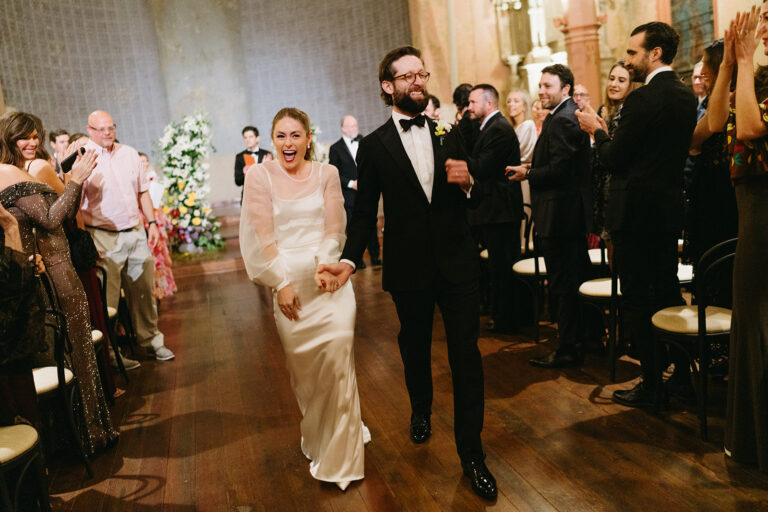
The master timeline is the backbone of your weekend. It’s what keeps vendors aligned and guests moving smoothly. Your planner will:
– Build detailed schedules for each vendor: when they arrive, where they load in, and when they break down
– Coordinate hair and makeup schedules with photography so no one feels rushed
– Sequence the ceremony, cocktail hour, and reception in a way that accommodates light, weather, and travel time
– Create contingency timing if storms or extreme temperatures are in the forecast
– Manage the pacing of speeches, dances, and formalities so the evening feels natural rather than over-scripted
During the weekend itself, your planner is often quietly solving problems: rerouting a shuttle, moving a cocktail hour due to wind off the lake, shifting floor plans when a band’s stage needs more space. Ideally, you’re hearing only the abbreviated version: “We’ve adjusted the plan; you’re all set.”
Working Well With Your Destination Wedding Planner
Even the most seasoned planner can only do their best work if the two of you (or the two of you plus your families) are collaborating clearly. The goal is not to turn you into project managers; it’s to shape a partnership where everyone knows their lane.
Setting communication norms early
Early conversations are the right time to talk about:
– Preferred communication channels: email, planning platform, phone, text for urgent matters
– Typical response times and office hours
– How far in advance meetings are scheduled, and which days or times work best around time zones
– Who should be included on emails (both of you, parents, others) and who has final say on different decisions
Aligning on this upfront reduces miscommunication later, especially when large decisions or invoices are involved.
Being a strong collaborator (without doing their job)
The most successful partnerships between couples and planners tend to share a few traits:
– You’re honest about your budget and comfortable saying “this is a stretch for us” early.
– You offer clear feedback—what you love, what you’re unsure about—rather than general “we’ll know it when we see it.”
– You complete planning “homework” (guest lists, rooming details, questionnaire responses) reasonably on time.
– You’re open to expert guidance when your vision clashes with a venue’s limitations, a climate, or a budget line.
The goal isn’t to say yes to everything a planner suggests; it’s to stay in conversation so solutions can emerge that feel right to you and workable in reality.
Tools that keep everyone organized
Most destination-focused planners lean on a mix of tools:
– Cloud-based planning platforms or shared folders for contracts, timelines, and checklists
– Online floor plan software to show table layouts, seating, and vendor placements
– Guest list and RSVP trackers that feed into meal counts and seating charts
– Group messaging or email templates for guest communications
You don’t need to love all the tech. You just need to know where to find information when you need it and to use the systems consistently, so nothing important gets buried in a long email chain.
Common Destination Wedding Challenges (and How Planners Navigate Them)
Every wedding has surprises. Destination weddings add distance to the mix. An experienced planner doesn’t just respond when something happens; they’re constantly running quiet “what if” scenarios in the background.
Weather and environmental curveballs
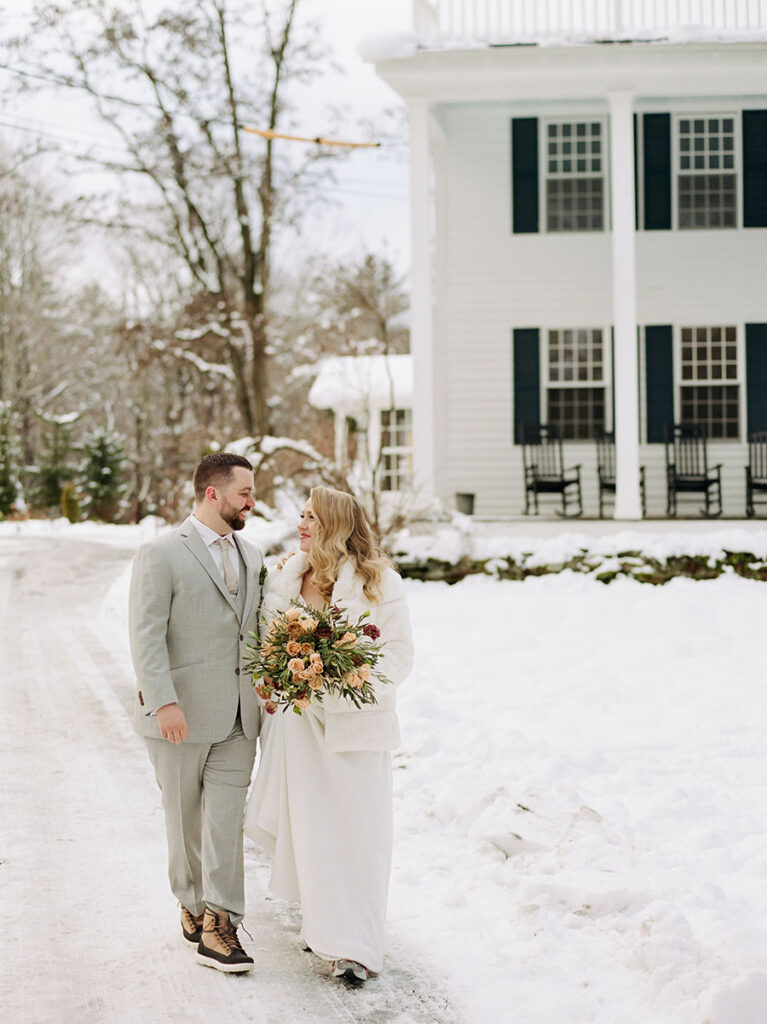
Whether it’s a sudden storm rolling off a Great Lake, a heat wave in a Southern garden, or wind on a bluff, weather is often the biggest variable. Planners typically:
– Build rain and heat plans months in advance (alternate ceremony locations, tent sides, fans, heaters, blankets)
– Hold backup tenting or additional equipment with rental partners, when appropriate
– Adjust ceremony times if sunsets shift or storms are expected to pass
– Coordinate with caterers and photographers on revised schedules if delays occur
Travel delays and vendor issues
With guests and sometimes vendors flying in, delays will happen occasionally. A destination planner’s role here often includes:
– Communicating with shuttle companies to adjust pickup times when flights change
– Reseating or updating processional orders quietly if a key family member is late
– Tapping into backup vendor networks in case of illness or emergencies (for example, a second photographer in the area)
The point isn’t that every problem disappears. It’s that you’re insulated from most of the scrambling.
Family expectations and guest assumptions
Destination weddings raise questions for families and guests: Who pays for what? Are guests expected at every event? What’s “normal” to cover for the wedding party? A planner can help by:
– Sharing what’s typical in similar destinations and circles, while reminding you that “typical” is not mandatory
– Helping you decide exactly which events are optional or limited to certain groups
– Drafting or refining wording for your wedding website so expectations are clear and kind
– Offering scripts for delicate conversations with parents or relatives
Proactive planning as quiet insurance
The most reassuring part of working with a seasoned destination wedding planner is not that nothing will go wrong. It’s that if and when something does, there’s already a plan. Backup routes. Extra time padding in the schedule. Lightweight rain plans for photos. Alternate ceremony locations confirmed with the venue in writing months earlier.
Realistic Budgeting for a Destination Wedding
There’s a persistent belief that destination weddings are either “cheaper” because guest counts are smaller, or automatically more expensive because of travel. The truth sits somewhere in the middle: the cost structure is different.
How destination budgets typically shift
Compared with a local wedding, destination budgets often allocate more toward:
– Travel and lodging for you and, sometimes, key vendors
– Transportation for guests across the weekend
– Additional events (welcome party, group outing, brunch)
– Infrastructure for tented or estate weddings (restrooms, power, flooring, lighting, kitchen)
At the same time, some couples see savings by:
– Hosting a smaller guest count
– Choosing venues in regions where certain costs (like venue rental or catering) are more moderate
– Simplifying décor because the setting is inherently compelling
Aligning expectations with numbers
An experienced planner will help you put numbers to ideas early. That conversation can feel vulnerable, but it’s far kinder to your future selves than falling in love with something that isn’t realistic.
You might find that:
– A tented estate reception plus multiple off-site events will require either a higher overall budget or a smaller guest list.
– A midweek or shoulder-season date in a popular destination opens up options.
– Investing in lighting and florals transforms a space more dramatically than spreading the same money across many smaller décor categories.
Resources like The Knot’s budget basics or WeddingWire’s budgeting guides can provide baseline percentages, but destination planners will adjust those based on your region and venue type.
Domestic Destinations: Feeling Far Away Without Crossing a Border
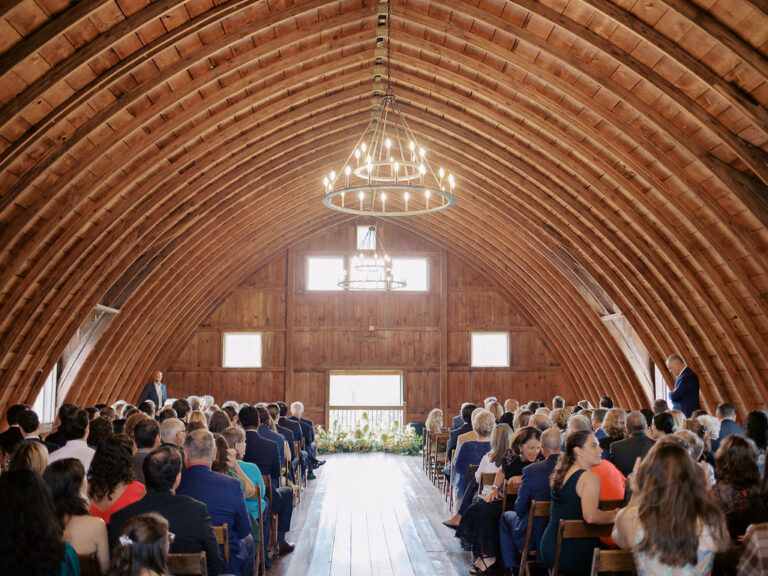
Not all destination weddings require passports. Many couples are choosing places that feel like an escape but are still within a short flight or drive: Great Lakes shorelines, New England towns, historic Southern cities, or quiet countryside inns.
Why domestic destinations appeal to many couples
Domestic destination weddings often strike a balance:
– Easier travel for guests who may be juggling work, kids, or passports that need renewing
– Streamlined legal processes for marriage licenses
– No currency exchange, customs, or international shipping for décor
– Familiar healthcare systems and emergency services, which most couples hope never to need but are glad to have
Regional character and how it shapes your weekend
Different regions offer distinct textures:
– Midwest and Great Lakes: harbor towns, sandy shorelines, historic clubs, and estates with deep lawns and views of the water.
– East Coast: brick-lined streets, historic row houses, old churches, and waterfront venues that blend urban energy with coastal calm.
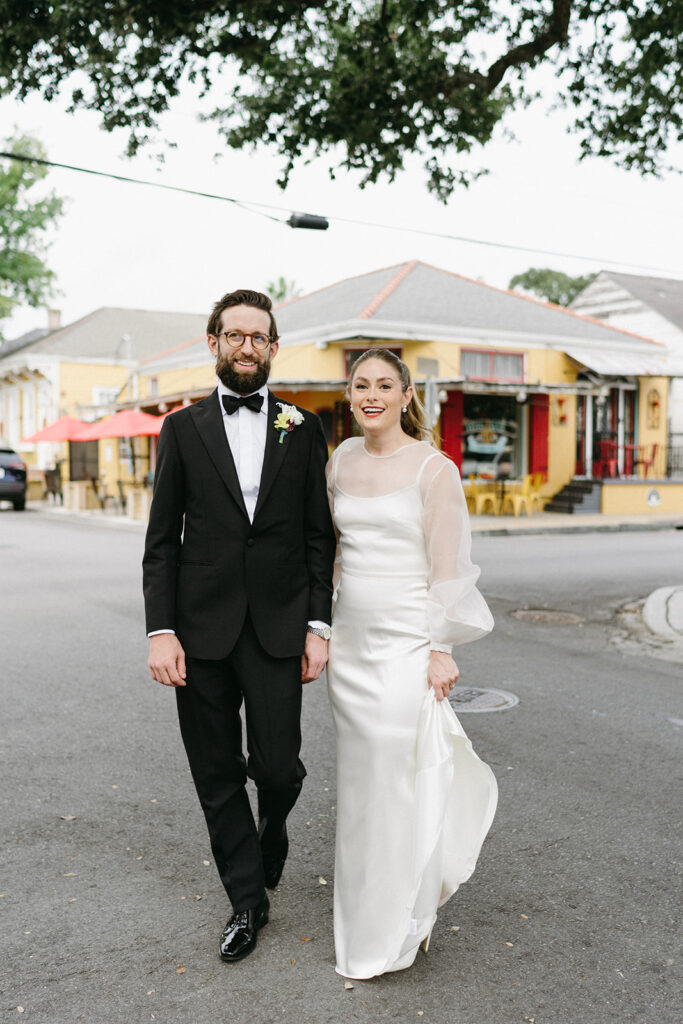
– Southern U.S.: live oaks draped in moss, gardens, courtyards, gracious old homes, and inns that feel like time has slowed just a bit.
A planner who has produced events across these regions will have an intuitive sense of how they feel in different seasons: when humidity peaks, when leaves change, when snow can arrive unexpectedly, and how that affects everything from attire to tent selection.
Using Your Planner’s Portfolio and Experience Thoughtfully
When you scroll a planner’s portfolio, it’s natural to ask, “Do we like this?” It’s also helpful to ask deeper questions: “What does this say about how they work? What kind of problems did they likely solve here?”
As you look, notice:
– Whether tented and estate weddings look as polished as hotel or ballroom events
– How guests appear to move through spaces—are there clear paths, comfortable lounge areas, and smooth transitions?
– If the planner’s work holds up across seasons: a winter city wedding, a summer lakeside ceremony, a spring garden reception
– Whether small details (menus, escort displays, lighting) feel intentional or like afterthoughts
Planners who frequently work in similar venues to yours—historic inns, private estates, lakefront clubs—carry forward a quiet library of lessons. Every event teaches them something: how sound carries in a particular kind of room, how wind behaves under a certain tent style, what happens to a timeline if a town’s only main road is unexpectedly closed.
You’re not just hiring their taste; you’re hiring everything they’ve learned when things went beautifully and when they didn’t.
Bringing It All Together for a Seamless Celebration Away From Home
From the outside, a destination wedding that “just flows” can look easy. Guests arrive, check into charming hotels, find thoughtful welcome notes, move from event to event without confusion, and leave feeling like they’ve glimpsed a specific chapter of your life in a specific place.
Behind that feeling is usually a planner who has spent months:
– Helping you choose a destination and venue that fit not only your Pinterest folder, but also your guest list, budget, and personalities
– Building a team of vendors who understand the region and the logistics
– Designing spaces that feel like you, grounded in the architecture and landscape
– Sequencing travel, transportation, meals, and events so the weekend feels spacious instead of hectic
– Preparing contingencies, so the unexpected becomes a small story you tell later—not the defining feature of your wedding
Whether you end up planning a lakeside weekend in the Midwest, a celebration in a historic East Coast neighborhood, or a tented reception on a Southern estate, the most important measure is not how elaborate the plans become, but how present you feel inside them.
If a destination wedding planner helps you get there—with clarity about your options, honest conversations about your budget, and thoughtful care for your guests—then they’ve done their job. The rest is what you’ll remember: the light over the water, the sounds of your family laughing on a porch, the feeling of dancing under a tent as if you were right at home, even though you were miles away.