
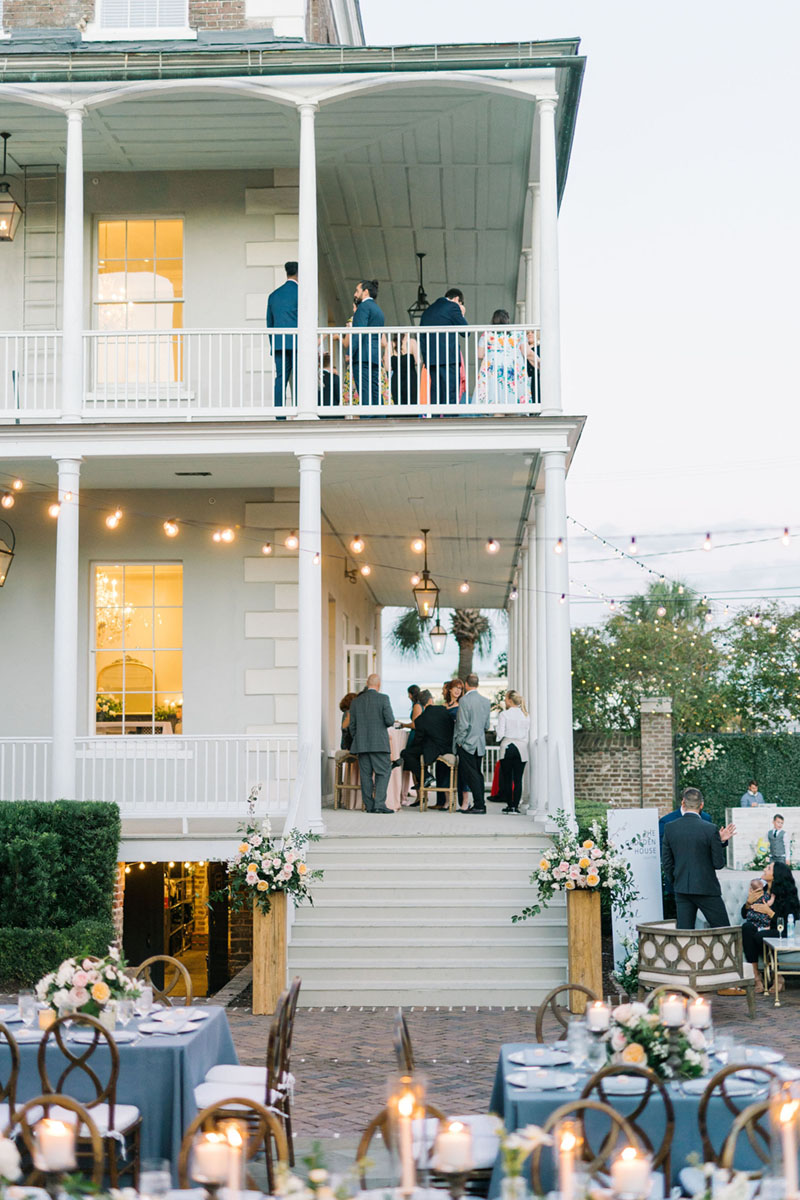
Charleston has a way of feeling both cinematic and strangely familiar, even if you’ve never set foot there. You turn a corner, and there’s a hidden garden behind a wrought-iron gate. Walk a few more blocks, and you’re suddenly staring at the harbor, the air salty and soft. It’s a city where history is not just preserved but lived in—porches still used, church bells still ringing, cobblestones still underfoot.
For a wedding, that combination of history and coastline is powerful. But it’s also more complex than choosing a pretty courtyard and hoping the weather cooperates. Planning a destination wedding in Charleston means working with a subtropical climate, centuries-old architecture, busy tourism seasons, and a layered cultural history, all while caring for guests who may be traveling across the country.
This guide is written for couples who want their Charleston wedding to feel intentional rather than accidental: those who are drawn to historic houses and museums, riverside lawns, boutique hotels, or coastal resorts, and who care as much about guest experience and logistics as they do about design. You’ll find guidance on seasonality, neighborhoods, budget realities, legal details, venues, design, menus, transportation, weather contingencies, and how to structure a full wedding weekend that makes sense in this city specifically.
While teams like Shi Shi Events regularly plan destination weddings in historic and coastal settings throughout the Midwest, East Coast, and South, the information here is meant to be useful whether you hire a planner or coordinate everything yourselves. The goal is clarity: so you understand what Charleston offers, what it demands, and how to weave your story into a place that already has a strong sense of its own.
Understanding Charleston as a Destination Wedding Locale
How geography shapes the feel of your wedding
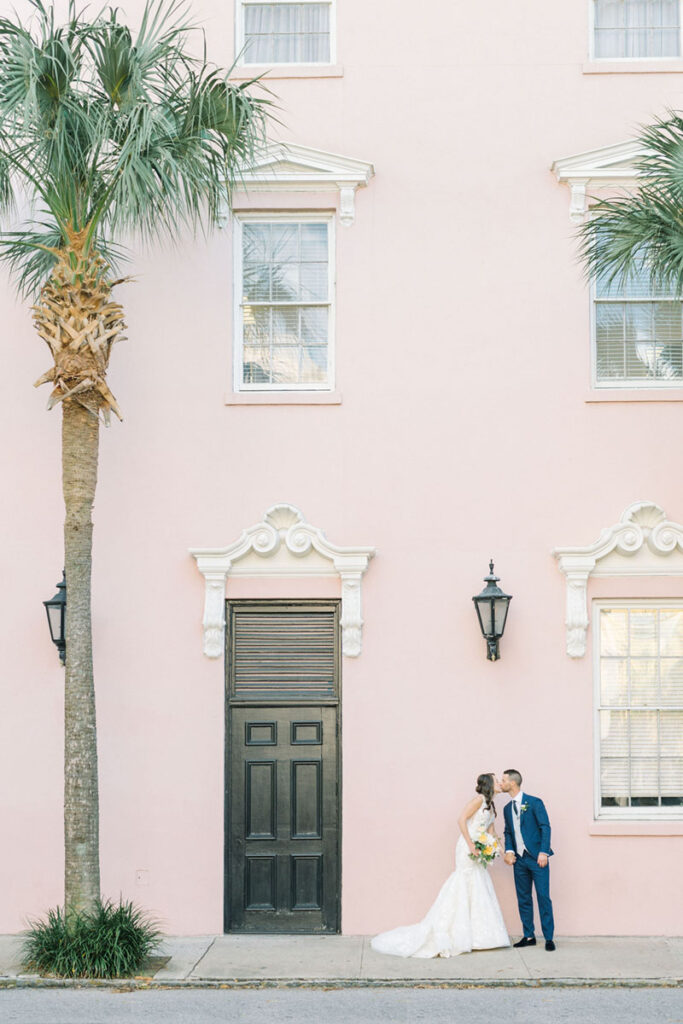
When people say “Charleston,” they’re often picturing the historic peninsula—rainbow-colored houses, gas lanterns, steeples. That’s only part of the story. The larger area fans out to barrier islands, rivers, marshes, and rural roads lined with live oaks. Where you choose to anchor your wedding will shape not just aesthetics, but transportation, budgets, and how your weekend unfolds.
In broad strokes, most wedding settings fall into a few geographic categories:
Historic Downtown (the Peninsula) centers on neighborhoods like the French Quarter, Ansonborough, and South of Broad. Expect:
- Row houses and mansion homes with intimate walled gardens and brick courtyards
- Historic churches, museums, and preservation society houses
- Short walking distances between hotels, restaurants, and venues
Downtown is ideal if you want guests to stroll between events, linger in cafés, and absorb the city’s architecture almost by osmosis. It also tends to work well for mid-sized guest counts, given capacity limits in many historic buildings.
Just across bridges, the landscape shifts.
Islands and Beaches such as Isle of Palms, Sullivan’s Island, Folly Beach, and Kiawah Island offer:
- Beach clubs, oceanfront resorts, and vacation rentals with strong “weekend away” energy
- Built-in activities—beach days, surfing, paddleboarding, golf, spa time
- More relaxed dress codes and later-night socializing clustered around a resort or seaside town center
These settings are especially appealing if you imagine your guests wandering from pool to ocean to welcome party without ever needing a car.
Then there are the rivers and marshes.
Plantation, Riverfront, and Rural Lowcountry Corridors along Ashley River Road, Johns Island, and Wadmalaw Island feature:
- Sweeping lawns under live oaks draped in Spanish moss
- Docks stretching into creeks or rivers, marsh views, and tidal changes
- Historic estates or event-focused properties that work beautifully with custom tent builds
These locations can feel secluded and cinematic, but they introduce real logistical questions: How will guests get there? Where do buses turn around? Where do generators and catering kitchens live? That doesn’t make them less appealing—it just means they reward thoughtful planning.
Knowing which of these landscapes resonates most—urban historic, beach, or riverfront countryside—is a helpful early filter. It will narrow your venue list dramatically and clarify whether your weekend will be anchored by walking shoes, flip-flops, or shuttle buses.
Climate, seasons, and what they actually feel like
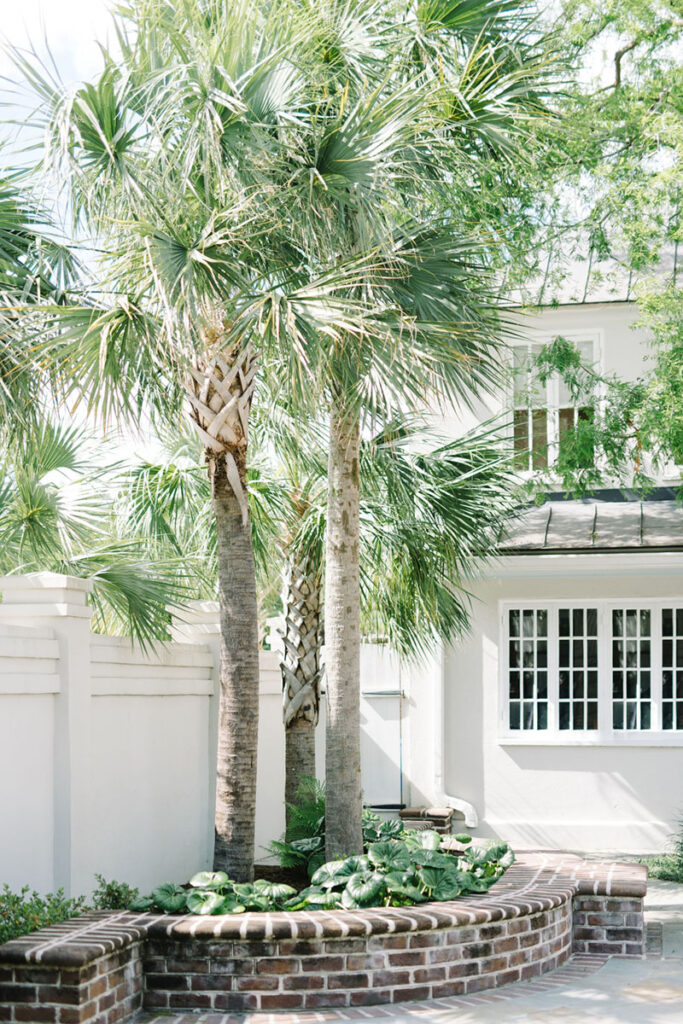
Charleston’s climate is humid subtropical: warm to hot for much of the year, with mild winters and a distinct hurricane season. That’s the technical version. The lived experience is more nuanced.
Spring (March–May) is when Charleston often looks like the brochure. Azaleas, camellias, and wisteria are everywhere; temperatures are generally comfortable; gardens feel lush but not yet heavy.
You’re likely to encounter:
- Daytime highs in the 60s–70s°F early in the season, edging toward the low 80s by late May
- Cooler, pleasant evenings that work well for outdoor cocktail hours and dinners
- High pollen counts that can affect allergies, contact lenses, and even black rental chairs or railings
Summer (June–August) is lush, buzzing, and unmistakably coastal—but it’s also hot and humid, with frequent afternoon thunderstorms.
This means:
- Midday outdoor ceremonies can be very uncomfortable, especially for formal attire
- Later ceremony times (close to sunset) and aggressive shade/hydration strategies matter
- Humidity-resistant hair and makeup, plus breathable fabrics, become more important than the stiffest satin you saw in a magazine
Fall (September–November) is a favorite for many planners and couples. September often still feels summery. By October and November, the air tends to soften; the light at the end of the day can be extraordinary on marshes and brick streets.
The catch: hurricane season officially runs June through November. Statistically, major storms are not an everyday reality, but they’re a possibility you should respect in contracts and backup plans.
Winter (December–February) is gentler than in northern cities. You might have sunny days in the 50s or 60s°F, or chilly, damp spells. Crowds thin; hotel rates can be more forgiving, especially outside of holidays and major events.
Winter weddings here often lean into candlelight, layered textures, and indoor spaces, but they still allow for outdoor portraits and brief garden moments if the weather cooperates.
Charleston wedding culture, beyond the clichés
There’s a shorthand version of Charleston weddings—seersucker, sweet tea, and Spanish moss—that can feel charming at first, then a little one-note. In reality, the local wedding culture is broader and more layered.
What tends to be consistent is a strong emphasis on hospitality. Couples often:
- Prioritize how guests move through the weekend: not just “where,” but “how it feels”
- Build in generous food and drink, often with a nod to Lowcountry cooking
- Use welcome notes, printed guides, or small touches to orient out-of-town guests
Aesthetically, you’ll see everything from classic “garden party at a museum house” to entirely modern, architectural tents on riverfront lawns. The most interesting weddings tend to respect the city’s historic bones while making clear that the couple lives in this century: clean typography, refined color palettes, and design choices that complement rather than compete with the setting.
When to Get Married in Charleston: Seasonality and Guest Comfort
Spring: peak blooms and peak demand
Spring is when Charleston feels like a painting. Historic homes open their gardens during events like the Festival of Houses and Gardens, restaurant patios hum, and almost every courtyard seems made for a wedding.
The upside is obvious: comfortable temperatures, long days, and a city looking its best. The tradeoffs are worth naming:
- Hotels, venues, and flights command premium rates, especially around festivals and holidays
- Top venues, bands, and photographers can book out well over a year in advance
- Pollen can be intense; consider tissues, allergy meds, and extra time for cleaning outdoor furniture
If spring is your dream, treat date selection like booking a popular restaurant: flexibility helps. A Sunday, Friday, or off-peak weekend may open doors that a single coveted Saturday cannot.
Summer: coastal energy and practical considerations
Summer in Charleston has its own charm: long evenings, busy beaches, and that sense of stepping into vacation mode the moment you land. It can work beautifully if your plans align with the climate rather than fight it.
Practically, that can look like:
- Scheduling ceremonies later in the day to avoid peak heat
- Providing fans, parasols, chilled water, and possibly cooling towels for outdoor portions
- Encouraging breathable attire on your wedding website (“lightweight suits and flowy dresses are welcome”)
For beach or island-based weddings, summer offers the fullest menu of activities for guests—especially those traveling with children—but do factor in the possibility of afternoon storms and aim for tents or covered spaces even if you hope not to rely on them.
Fall: golden light and popular dates
Ask many photographers or planners their favorite Charleston wedding season, and fall comes up quickly. The light is often warm and cinematic, the air a little drier, and evenings just cool enough for layered outfits and candlelit dinners outdoors.
The main complexities are:
- Hurricane season overlap, which makes strong force majeure and rescheduling clauses in contracts important
- High demand for October weekends in particular
- Potential conflicts with college football weekends and regional events that affect hotel availability
It’s helpful to pull up a local events calendar and cross-check your short list of dates against major happenings in the city.
Winter: quieter streets and intimate gatherings
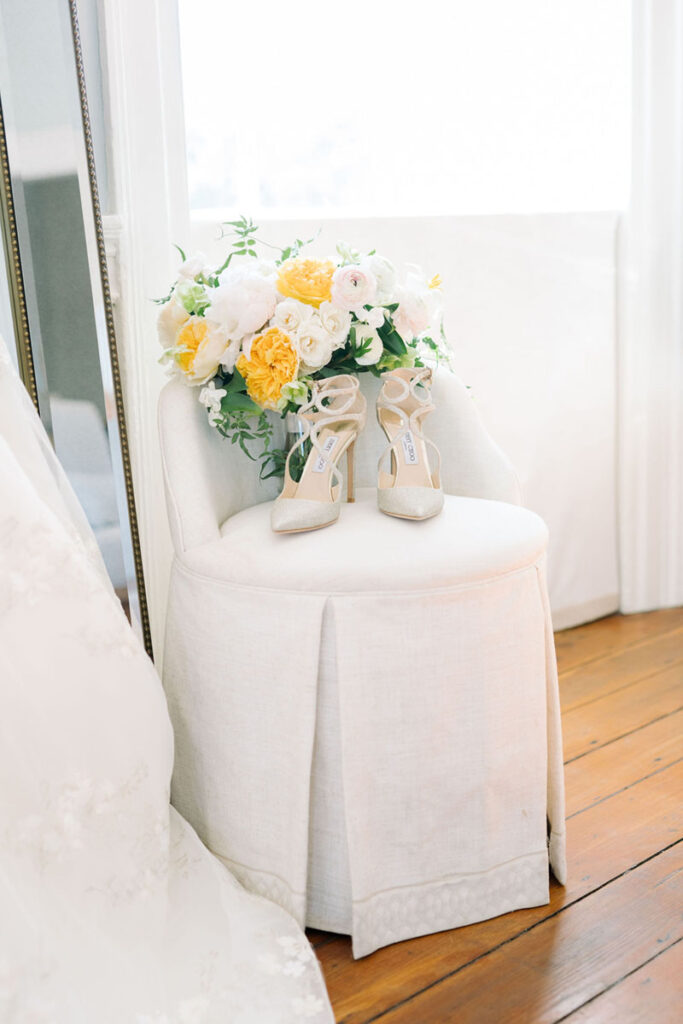
Winter weddings in Charleston feel different in the best way. The city is more relaxed; restaurants are easier to book; boutique hotels may have more flexibility with room blocks and buyouts.
You’ll want to:
- Pay close attention to sunset times when scheduling your ceremony and portraits
- Plan for tent or patio heaters, and recommend wraps or coats for portions outdoors
- Work with your florist on seasonal availability; think texture and shape rather than only lush spring flowers
For couples who love candlelight, leather-bound menus, darker tones, and cozy spaces, winter can be an excellent fit.
Choosing a date with destination guests in mind
Ceremony weather matters, but so does the experience wrapped around it. As you narrow down dates, consider:
- How many guests will be flying versus driving
- Whether a three-day or four-day structure feels more realistic for your circle
- School calendars and holiday weekends that might help or hinder attendance
Many couples aim for a rhythm where guests arrive by midday Friday for a Saturday wedding, or Thursday for a Friday wedding, so there’s at least one full, unhurried day in Charleston baked into the trip.
Budgeting for a Charleston Destination Wedding
How Charleston fits into the national cost landscape
Charleston is not a “budget” destination, but it’s also not at the very top of the pricing spectrum like Manhattan or San Francisco. Think of it as a highly desirable destination market: historic properties, strong culinary scene, high tourism demand, especially in spring and fall.
A full wedding weekend with 75–150 guests at a historic downtown venue, riverfront estate, or island resort will likely align with other major U.S. cities known for weddings. The specific numbers will depend on your guest count, level of design, and how much infrastructure you need to bring in.
Major cost categories you’ll encounter
While every budget is unique, certain categories consistently shape the overall spend:
Venue and Catering
Many Charleston venues operate with food-and-beverage minimums, especially hotels, clubs, and some historic properties. Instead of paying a large standalone rental fee and then hiring an outside caterer, you may:
- Pay a moderate site fee plus in-house catering and bar service, or
- Commit to a higher food-and-beverage minimum that effectively covers use of the space
For more blank-slate properties, you may pay a flat rental and then bring in a caterer and full bar program. Both structures can work; they simply allocate funds differently.
Tents, Rentals, and Infrastructure
For plantations, private estates, or lawns, you’re often building a temporary “venue.” That can include:
- Tents (clear, sailcloth, frame, or pole), plus flooring, lighting, and climate control
- Tables, chairs, linens, place settings, bars, and lounge groupings
- Power solutions, restroom trailers, catering prep tents, and vendor parking areas
These line items are easy to underestimate early on, and they can be the difference between a manageable budget and a stressful one. If you’re drawn to tented events, it’s worth getting early, realistic estimates from vendors who frequently work in the Charleston area.
Travel and Accommodations
As a destination couple, you’ll want to account for:
- Your own travel to Charleston for scouting, tastings, and the wedding itself
- Any accommodations you’re covering for immediate family or attendants
- Travel and lodging costs for key vendors if you’re bringing them in from elsewhere
Creative and Logistical Vendors
Photography, videography, florals, entertainment, transportation, hair and makeup, and planning all fall here. Tented and estate weddings tend to involve more categories (e.g., lighting designers, additional staffing, specialty rentals) than hotel-based events, which affects both cost and coordination.
Costs people often forget to plan for
Destination weddings are full of “invisible” costs—items that don’t show up in Pinterest boards but absolutely show up on invoices. Common examples include:
- Permits for amplified sound, tenting, or use of certain public or semi-public spaces
- Event liability insurance, often required by venues and tent companies
- Valet, parking fees, or shuttles when downtown or plantation parking is limited
- Last-minute weather adaptations: sidewalls, additional fans or heaters, extended tent holds
This is where a good contract review is worth your time. Knowing which weather-related items are “on hold” versus fully reserved, and by what date you must confirm them, can help you avoid both surprise costs and gaps in coverage.
Budget strategies that work well in Charleston
Two levers typically have outsized impact:
Guest Count
It’s not glamorous, but it’s honest: nearly every per-person cost scales with headcount. A smaller guest list often allows for a richer, more detailed experience—better menu, more thoughtful design, higher-touch hospitality—without necessarily increasing the total budget.
Timing and Day of Week
Shoulder-season dates, Sundays, and certain Fridays can sometimes open up premier venues and vendors that aren’t available (or as flexible) on peak Saturdays. In a destination market like Charleston, where weekends are at a premium, shifting by a day can change what’s possible.
If you’re working with a planner familiar with the city and with other destination markets, ask them where past clients have felt their money was best spent, and where they were glad they did not splurge. That collective hindsight is valuable.
Legalities and Logistics: Making It Official in South Carolina
Marriage license basics in Charleston County
The legal side of getting married in South Carolina is relatively straightforward, but you’ll want to treat it with the same respect as flights and passports. Requirements can change, so always confirm details directly with the Charleston County Probate Court.
In general, you can expect:
- Both parties to submit an application (often available online) and provide valid identification
- A mandatory waiting period—historically at least 24 hours—between application and license issuance
- A license that is valid for use anywhere in South Carolina once issued
Post-2020, some counties have introduced or expanded virtual processes, but you may still need an in-person step. It’s wise to build that into your arrival timeline rather than assuming you can squeeze it in between hair trials.
Officiants, residency, and ceremony structure
You do not need to be a South Carolina resident to marry in the state. Likewise, your ceremony does not have to occur in the same county that issued your license.
South Carolina law recognizes certain clergy and public officials as authorized officiants. If you’re hoping to have a friend or family member lead the ceremony, make sure they’re legally qualified under state law, or consider a hybrid approach:
- Hold a brief legal signing with an authorized officiant in addition to your main ceremony, or
- Have a legally recognized officiant present during your ceremony to quietly handle paperwork while your chosen person leads the spoken portion
Many couples prefer the second option; guests never know the difference, and you get both the emotional significance of a loved one officiating and the legal peace of mind.
Practical tips for avoiding last-minute license stress
It’s surprisingly easy for a marriage license to become an afterthought amid seating charts and floral mockups. A few small habits can prevent that:
- Assign one specific person (planner, parent, trusted attendant) to be “license captain” on the wedding day
- Store the license with other non-negotiables—passports, engagement ring, important documents—so it’s not drifting between bags
- Clarify with your officiant when and where the signing will happen and who needs to be present
Treat the license the way you’d treat boarding passes for an international flight: handled early, double-checked, and not left to chance.
Choosing Your Charleston Wedding Setting: Historic, Coastal, or Both
Historic downtown: courtyards, churches, and walkable weekends
Historic downtown Charleston is what many people picture when they think “Southern wedding”: church steeples, wrought-iron balconies, mansion homes hiding gardens behind their walls.
Typical downtown venues include:
- Museum houses with drawing rooms and side gardens
- Small inns and boutique hotels with courtyards and rooftop terraces
- Historic churches paired with nearby reception spaces
Advantages often include:
- Guests can walk between hotels, ceremony sites, and reception venues
- The architecture itself does much of the visual work; you need less decor to make an impact
- Post-wedding, guests can easily continue the evening at nearby bars or lounges
On the other hand:
- Noise ordinances and neighborhood rules can affect music end times
- Historic buildings may have strict guidelines on candles, hanging decor, or heavy installations
- Loading docks, elevators, and narrow streets can limit what vendors can bring in and how quickly
When reviewing downtown venues, ask direct questions about capacity, noise cutoffs, and decor restrictions. The answers will help you understand where your design and entertainment ideas may need adjustment.
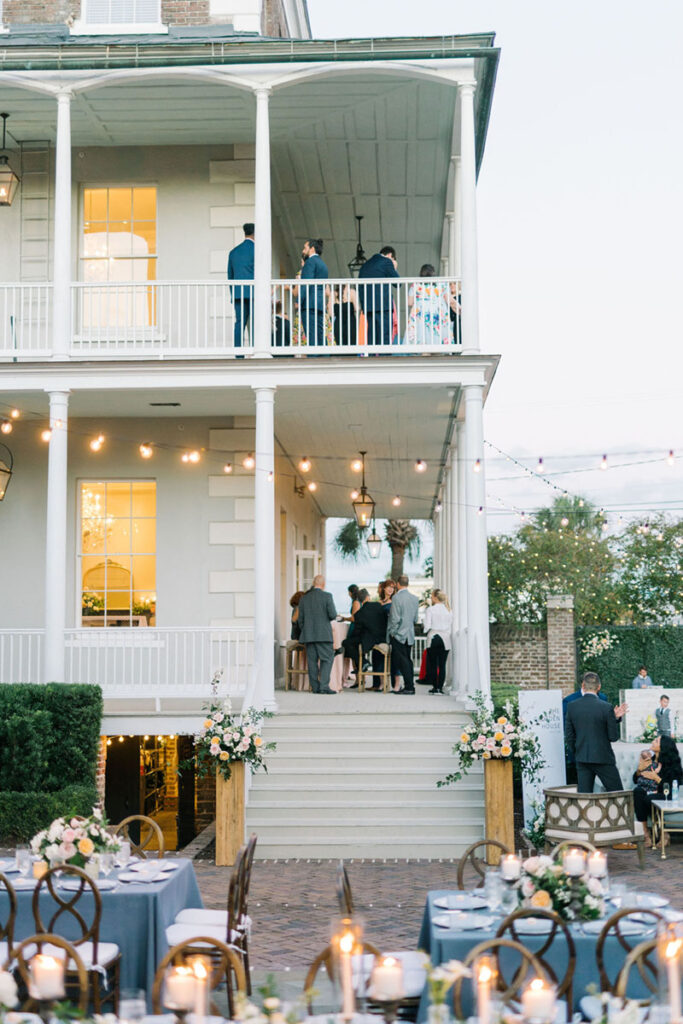
Plantations and riverfront estates: expansive settings with layers of history
Riverfront and plantation-style properties in the Lowcountry are visually striking: avenues of oaks, reflective water, long docks, and open lawns. They also come with more logistical and ethical nuance than a simple “pretty backdrop.”
From a planning standpoint, these venues are appealing because:
- You can often hold ceremony, cocktail hour, and reception in distinct outdoor spaces on one property
- Tents allow you to sculpt the reception environment in a highly customized way
- The privacy and quiet create an immersive, almost retreat-like feeling for guests
Logistically, though, you’ll be considering:
- Guest transportation, usually via shuttle or coach, especially after dark
- Weather exposure and the need for robust tent and backup plans
- Additional vendor categories: power, restrooms, lighting, security, and staff areas
There’s also the question of historical context. Many plantation properties were sites of enslavement and ongoing racial trauma. Couples approach this in different ways, including:
- Selecting venues that actively interpret and acknowledge this history through tours, exhibits, or programming
- Including a brief note in programs or welcome material honoring the land’s history and those who labored there
- Having open conversations with family and friends for whom the location might carry particular weight
There’s no one “right” answer, but planning here benefits from reflection and intentional choices rather than avoiding the topic entirely.
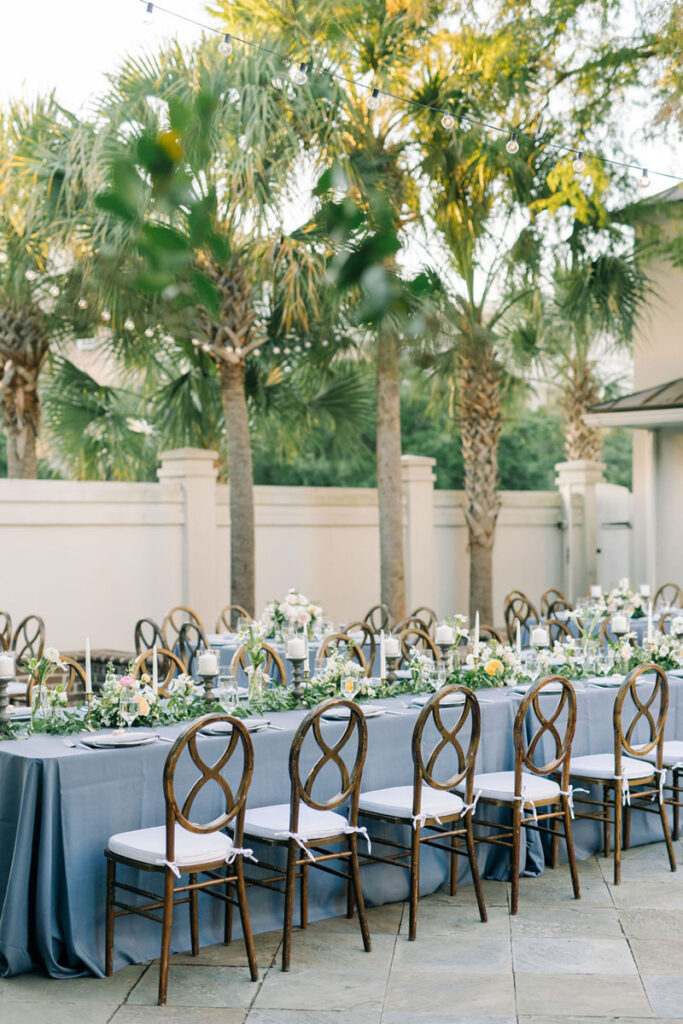
Islands, beaches, and coastal resorts: the vacation-forward option
If your dream wedding feels more like a multi-day beach trip with a wedding in the middle, barrier island settings might be your best match. Places like Kiawah Island, Isle of Palms, and Wild Dunes blend resort infrastructure with access to sand and surf.
Couples are often drawn to:
- On-site accommodations, restaurants, and activities that keep everyone clustered together
- Spaces that move from lawn to ballroom to beach boardwalk in a single evening
- Family-friendly amenities—pools, bike rentals, kids’ programs—that make it easier for guests with children to attend
Planning details to pay attention to:
- Wind and sound: microphones, speaker placement, and hairstyle choices matter on an oceanfront site
- Beach regulations around set-up, open flames, and amplified sound, which vary by municipality
- Resort fees, service charges, and minimums that may not be obvious in first-pass pricing
A short conversation with the resort’s event team about weather norms, backup indoor spaces, and how past weddings have handled beach conditions can be very instructive.
Boutique hotels and inns: all-in-one intimacy
Charleston has an unusually rich inventory of small hotels and inns, many housed in historic buildings with thoughtful modern interiors. For destination weddings, these properties can act like a private home scaled just large enough for your guest list.
The appeal is clear:
- Your guests are primarily under one or two roofs, creating an easy sense of community
- Event spaces, rooms, and staff are already integrated, simplifying coordination
- Many boutique properties offer strong existing design, which you can layer onto rather than starting from scratch
The tradeoffs usually center on:
- Buyout costs if you want complete privacy and control over common areas
- Size limitations; these venues often suit smaller and mid-sized weddings best
For couples who picture running into their favorite people in the lobby all weekend, or winding down each night at the same cozy bar, a boutique hotel is worth serious consideration.
Private homes and estates: bespoke, but infrastructure-heavy
Some couples are drawn to private properties in the Charleston area—a family home, a rented estate, or a residence that occasionally hosts events. These settings can be incredibly personal, but they essentially turn you (and your team) into venue builders for the weekend.
You’ll want to pay attention to:
- Local regulations and HOA rules around events, noise, parking, and short-term rentals
- Power capacity, water access, and waste management options
- Vendor access, truck clearances, and where staff will stage equipment and supplies
This is the scenario where hiring a planner experienced in private estate and tented weddings is less a luxury and more of a safeguard. They know the checklist of unglamorous questions that prevent mid-event surprises.
How to narrow your venue search intelligently
Instead of starting with a massive spreadsheet of venues, it’s often more effective to clarify a few core variables and let them do the heavy lifting:
- Your approximate guest count (including a realistic range, not just “if everyone says yes”)
- Your top one or two preferred seasons
- Which setting feels most like you: historic downtown, island/coastal, or riverfront/estate
From there, a short list of venues tends to emerge naturally. At that point, virtual or in-person site visits become invaluable. Seeing sun angles, walking paths, and backup spaces often reveals whether your weekend vision really fits in a given place.
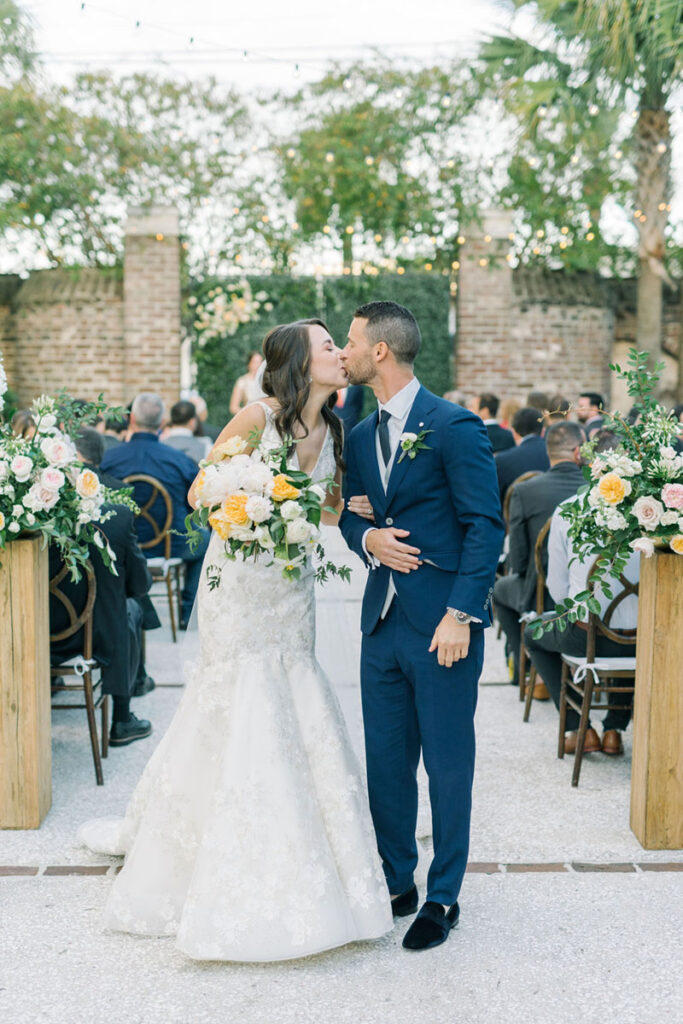
Structuring a Destination Wedding Weekend in Charleston
Thinking in terms of a weekend, not just a day
When guests travel for your wedding, the event naturally stretches beyond a single evening. The most successful destination weddings in Charleston work like a well-paced story: a clear beginning, middle, and end, with room for unscripted moments in between.
Common anchor points include:
- A welcome gathering (rooftop drinks, an oyster roast, or a relaxed cocktail hour)
- A rehearsal dinner or family-focused meal
- The wedding day itself
- A casual farewell brunch or drop-in coffee before departures
You can then layer in optional activities—beach afternoons, walking tours, boat outings—without making guests feel like they must attend everything to be “good” guests.
Sample downtown weekend rhythm
A downtown-centric weekend might unfold like this:
Day One (Friday)
Guests arrive midday and check into hotels in the historic district. After some time to settle in, you host a welcome reception at a courtyard wine bar or rooftop space—something light enough that guests can still head to dinner on their own if they like.
Day Two (Wedding Day)
Mornings are open for coffee, exploring the Market, or a carriage tour. The ceremony might be at a historic church or museum house garden, followed by a short walk to a reception venue nearby. Late-night, you may host an after-party at a bar within walking distance for those who want to keep going.
Day Three (Sunday)
A brunch at a favorite restaurant or hotel gives everyone a relaxed way to say goodbye before flights and drives home.
Sample coastal or island weekend rhythm
For an island or resort-based wedding, the timing often stretches slightly:
Day One (Thursday)
Guests arrive and check into the resort or nearby rentals. The evening might be something informal: a beach bar meet-up, pizza on a deck, or drinks around a fire pit.
Day Two (Friday)
During the day, guests can choose between the beach, pool, golf, or spa. The evening might be your rehearsal dinner or an oyster roast overlooking the water.
Day Three (Wedding Day)
Ceremony on a lawn or terrace with ocean or marsh views, cocktail hour outdoors, and then a reception in a tent or ballroom. Because everyone is staying on property or nearby, the walk or shuttle home is short.
Day Four (Sunday)
Brunch or a simple farewell coffee station, with the option of a harbor cruise or beach walk for those with later flights.
Curating local experiences without overscheduling
Charleston offers more activities than you could possibly fit into a single trip, which is part of its appeal. Rather than trying to host everything, you can:
- Use your wedding website to suggest a few vetted walking tour companies, such as those listed by Explore Charleston
- Offer a short list of favorite restaurants with notes on which require reservations and which are more spontaneous
- Point guests toward harbor cruises, sailing charters, or plantation tours, with clear notes on cost, timing, and accessibility
Think of yourself more as a curator than a cruise director. Giving guests options and information allows them to choose their own pace.
Keeping an eye on guest energy and pacing
It’s tempting to fill every hour of a destination weekend, especially when you love the city and want to share it. The risk is that guests end up exhausted, with no time to simply wander or rest.
A few guiding principles help:
- Limit yourself to one “must-attend” event per day, plus truly optional extras
- Protect at least one open block of three to four hours where nothing is scheduled
- Make it explicit on your website which events are hosted and which are informal or pay-your-own-way
When guests feel both welcomed and free to choose, they tend to arrive at your wedding day rested rather than overextended.
Guest Travel and Accommodation Planning
How most guests will get to Charleston
Most out-of-town guests will arrive via Charleston International Airport (CHS), which offers nonstop flights from a growing list of cities and easy connections through hubs like Atlanta and Charlotte.
For regional guests, driving is often straightforward. Approximate drive times include:
- Atlanta to Charleston: around five to five and a half hours
- Charlotte to Charleston: around three hours
- Columbia to Charleston: roughly two hours
- Savannah to Charleston: roughly two hours
Including this information on your wedding website helps guests quickly gauge whether a road trip or flight makes more sense for them.
Transportation in and around the city
Downtown Charleston is comfortably walkable; many guests will not need a car if your main events and hotels are on the peninsula. Rideshare apps operate there as well.
Once you move to plantations, islands, or more rural venues, distances increase and rideshare reliability drops. For those events, it’s worth planning:
- Shuttle service from one or two central pickup points to your venue and back
- Clear timelines and maps on your website and in welcome materials
- A plan for late-night returns, when guests may be more tired than they expect
Downtown, parking garages are plentiful but not always right next to venues; valet services or simple parking maps can save your guests last-minute stress.
Choosing where guests will stay
Many couples take a layered approach to accommodations:
- A primary “host hotel” where the couple and many guests stay
- One or two additional hotel options at different price points nearby
- A suggestion (not management) of vacation rentals in the area for families or groups
If your events are downtown, it generally makes sense to focus on hotels in the historic district. If you’re on an island or in a resort setting, aim for properties as close to the venue as possible to minimize bus time and car rentals.
When arranging room blocks, consider asking about:
- Cut-off dates and any penalties if the minimum number of rooms isn’t booked
- Perks like welcome bag distribution, late checkout for your wedding night, or a small hospitality space
- Online booking codes or links that simplify the process for guests
Communicating logistics clearly
A clear wedding website is essential for a destination wedding in Charleston. Think of it less as a “nice to have” and more as your central information hub.
Helpful elements include:
- Airport information, estimated travel times, and recommended arrival windows
- Hotel block links, rates, and booking deadlines
- Maps showing the relationship between the ceremony, reception, and lodging
- Attire notes that consider cobblestones, lawns, and climate (“block heels or flats are best,” “light layers recommended,” etc.)
Some couples also provide a printable one-page weekend overview in welcome bags, which is especially appreciated by less tech-focused guests.
Accessibility in historic and coastal settings
Charleston’s charm sometimes comes with uneven bricks, narrow staircases, and older building layouts. If you have guests with mobility considerations or sensory needs, it’s worth asking venues detailed questions up front.
Consider clarifying:
- Which spaces are fully wheelchair-accessible, including restrooms
- Whether there are elevators or ramps for key transitions
- How far guests will need to walk between ceremony, cocktail hour, and reception areas
For guests who may need extra support, small gestures—like reserved ceremony seating close to the aisle, access to a golf cart where allowed, or a designated point of contact on the planning team—can make the entire weekend feel more inclusive and manageable.
Designing a Historic, Coastal-Inspired Wedding Aesthetic
Borrowing from Charleston’s colors and textures
One of the real gifts of marrying in Charleston is that the city gives you a built-in palette. The harbor’s blue-gray, the soft greens of marsh grass, the sun-faded pastel facades, the patina of old brick and wrought iron—they’re all right there.
Many couples draw from:
- Soft greens, oyster and sand neutrals, blues, and muted pastels
- Textures like linen, seagrass, cane, rattan, and lightly distressed wood
- Motifs inspired by ironwork, fanlights, or local flora translated into modern patterns
Instead of replicating Charleston literally (for example, printing Rainbow Row on every surface), you can let those elements inform quieter details: a stationery suite that echoes a balcony railing, custom drink stirrers shaped like palmetto fronds, or linens that feel like the inside of a seashell.
Balancing historic romance with a modern eye
The key to avoiding a “set piece” wedding is editing. You don’t need lace, silver candelabra, and patterned china in every direction just because you’re in a historic city. Often, the most elegant designs choose a few historically resonant details, then frame them with modern simplicity.
For instance, you might:
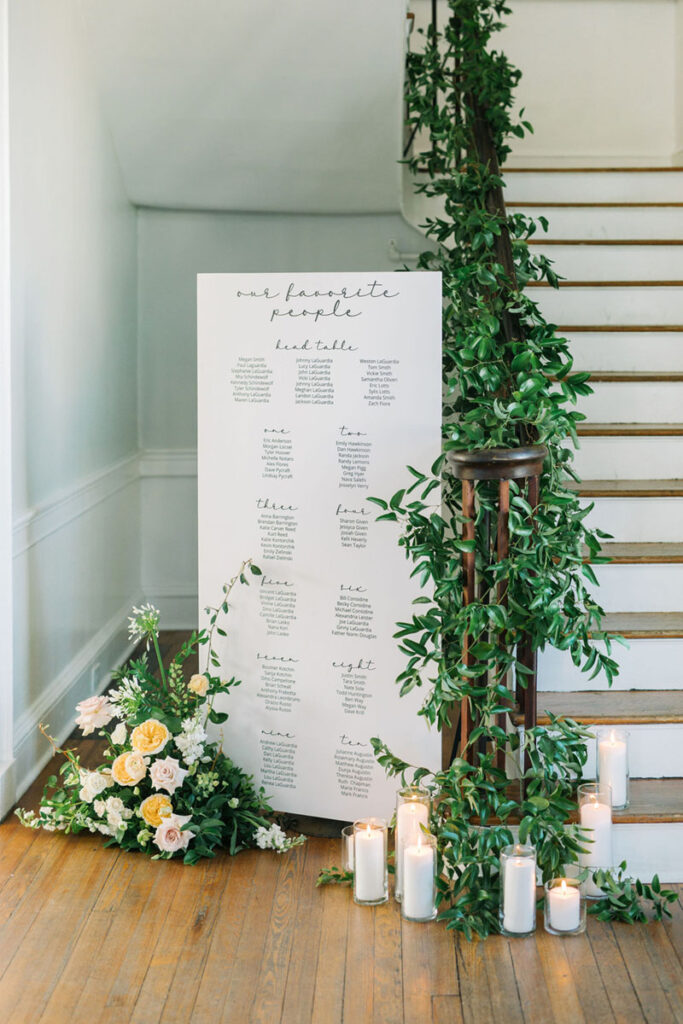
- Use calligraphed place cards, but display them on a clean, sculptural escort display rather than a gilded frame
- Pair a single vintage-inspired charger with simple glassware and flatware
- Keep the palette restrained—one or two core colors with neutrals—to let architecture and florals breathe
Photography style plays into this as well. Editorial or documentary-focused photographers often lean into natural light, shadow, and architectural lines, which suits Charleston particularly well.
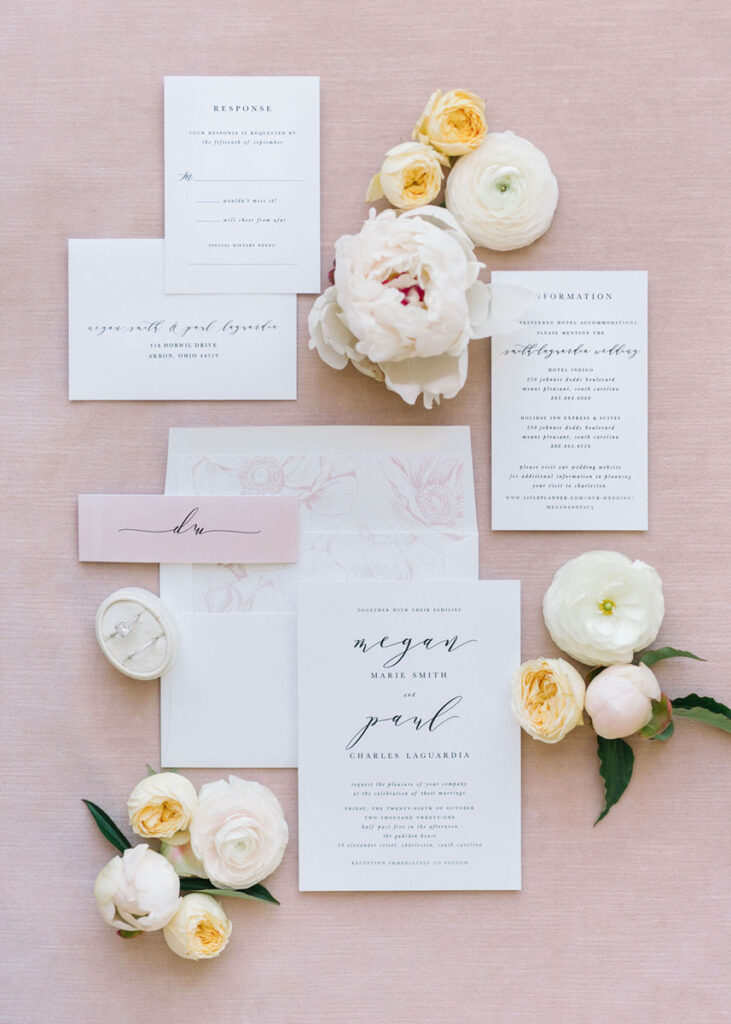
Ceremony and reception spaces that work especially well here
Certain vignettes feel deeply “Charleston” without feeling cliché when done thoughtfully:
- A ceremony under a live oak, with florals that trace the tree’s form rather than fighting it
- Vows on a piazza or terrace, overlooking a garden or water view
- Courtyard dinners with layered candlelight and delicate overhead lighting
- Tented receptions on lawns or by the water, with flooring, chandeliers, and draping that create an indoor-outdoor “room”
When working with a strong site—whether a museum house or a dock overlooking marsh—try to preserve key sightlines. You want guests to remember where they were, not just the inside of a tent.
Florals and botanicals that like Charleston’s climate
Charleston’s climate is kind to many flowers most of the year, but heat and humidity still influence what holds up outdoors. Florists who regularly work here know which blooms can handle ceremony arches in August and which should live indoors.
You may see:
- Garden roses, ranunculus, lisianthus, and dahlias in cooler months
- Zinnias, cosmos, textural greenery, and hardy blooms during warmer periods
- Subtle references to local plants—magnolia leaves, palmetto-like fronds, or moss-inspired shapes—without using actual Spanish moss in ways that damage trees
For arrangements in direct sun, water sources, timing of installation, and flower selection all matter. It’s worth listening if your florist gently steers you away from a fragile flower wall in late summer.

Working with a design-forward planning team
Translating a collection of inspiration images into a coherent, site-specific design is part creative direction, part technical problem-solving. In a place like Charleston, where properties themselves carry such strong identities, that translation matters even more.
A planner and designer experienced with historic venues and tents will typically:
- Map out how guests will physically move through spaces—where they pause, what they see, and in what order
- Recommend materials and installations that perform well in humidity and wind
- Help you weave your story—how you met, where you live now, what you love—into paper goods, bar details, and small design choices without overwhelming the setting
Firms like Shi Shi Events, which often work in historic and private estate environments around the country, tend to approach design as a conversation between the couple and the venue. In Charleston, that mindset is particularly valuable; the city is already speaking. You’re deciding how to answer.
Food, Beverage, and Southern Hospitality
Incorporating Lowcountry cuisine without making it a theme
Charleston’s food scene is one of the reasons many guests are excited to attend weddings here. That doesn’t mean you must serve a fully traditional Southern menu, but including a few grounded, local touches can add real depth.
Typical Lowcountry flavors include:
- Shrimp and grits (with endless possibilities for preparation)
- Oysters—raw, roasted, stewed, or fried
- She-crab soup, a Charleston classic
- Local fish and crab dishes, often seasonal
- Biscuits, cornbread, and sides built around okra or field peas
You might treat these as accents rather than the entire meal: shrimp and grits as a passed small plate at cocktail hour, oysters at a raw bar, or a refined, smaller portion of a traditional dish in a plated course. Talk with your caterer about balancing richness with lighter, fresher elements so the meal feels satisfying but not heavy in the Charleston climate.
Service styles that fit Charleston venues
The shape of your venue often influences how you’ll serve dinner:
- Plated dinners work especially well in structured tents, ballrooms, and museum spaces where a more formal cadence suits the room
- Stations or family-style service can be wonderful for relaxed, social receptions, but they require wider aisles and thoughtful layout to prevent bottlenecks, especially in courtyards or multi-room venues
Late-night snacks are a natural place to play: small fried chicken sliders, mini biscuits, or a modern take on a classic Charleston dessert can delight guests just when they need a bit of fuel for the dance floor.
Bar programs with a sense of place
A coastal wedding invites drinks that feel bright, refreshing, and occasionally a bit nostalgic. Many couples choose a small set of signature cocktails, perhaps drawing on local spirits or seasonal produce.
Popular directions include:
- Gin or vodka cocktails with citrus, herbs, and light tonics
- Bourbon or rye drinks with peach, mint, or spice elements
- Thoughtful mocktails that mirror flavor profiles for guests who prefer not to drink
If you’re interested in highlighting local producers, ask your caterer or bar provider about regional distilleries and breweries they already work with. Subtle signage that notes “featuring a Charleston-made gin” or “brewed locally” adds a sense of place without reading like an advertisement.

Small acts of hospitality guests really remember
In a warm, coastal climate, comfort-focused details quickly become expressions of care rather than just aesthetic choices. Guests tend to remember:
- Welcome bags with water, a simple map, a few local snacks, and practical items like sunscreen or bug wipes
- Fans, parasols, or chilled towels at summer ceremonies
- Throws or pashminas available on the backs of chairs during cooler months
Combined with clear signage, smooth transitions between spaces, and staff who anticipate rather than react, these details contribute to a feeling that guests are being genuinely looked after.

Working with Local and Destination Vendors
Choosing which vendors to source locally vs. bring with you
Many destination couples end up with a hybrid vendor team: some professionals based in Charleston, others traveling from the couple’s home city or elsewhere. The mix depends on relationships, budget, and comfort levels.
Categories that often benefit from local expertise include:
- Caterers who know local health codes, supplier networks, and venue kitchens
- Tent and rental companies experienced with Charleston’s soil, wind patterns, and specific venues
- Transportation providers familiar with plantation roadways, downtown loading zones, and late-night logistics
Couples more frequently choose to bring in:
- Planners and designers they’ve already developed trust and rapport with
- Photographers and videographers whose style they deeply connect with
- Hair and makeup teams attuned to their hair texture, skin tone, or specific preferences
There’s no single correct configuration; it’s about creating a team that communicates well and understands both your priorities and the realities of the city.
Vendor roles that are especially critical in Charleston
While every vendor matters, in a historic and coastal environment like Charleston some roles take on an outsized impact:
- Tent and rental specialists who know how to manage anchoring on uneven ground, protect floors from moisture, and work within venue-specific rules
- Florists experienced in building installations that withstand humidity, heat, and occasional gusts of wind
- Production and entertainment teams familiar with local noise ordinances, power availability, and what’s feasible in older buildings
When interviewing vendors, asking about their experience at your specific venue (or similar ones) can provide more helpful information than generic portfolios alone.
Site visits and remote planning tools
Not every couple can visit Charleston multiple times before the wedding. If you can make one early trip for venue tours and food tastings, it often pays off. If not, it’s entirely possible to plan remotely with the right structure.
Useful tools and habits include:
- Virtual walkthroughs of venues via video call, ideally at roughly the same time of day as your event
- Scaled digital floor plans to experiment with table layouts, stages, bars, and lounge areas
- Shared documents or project management tools to keep track of decisions, deadlines, and notes across time zones
Planners experienced with destination work, including teams like Shi Shi Events, often function as your on-the-ground eyes and ears: attending walkthroughs in person when you cannot, asking technical questions, and translating photographs into realistic guest experiences.
Coordinating communication across a dispersed team
As the number of vendors and spaces increases, clear communication becomes less about courtesy and more about safety and sanity. A central point of coordination—usually your planner—helps keep everyone working from the same assumptions.
Behind the scenes, that typically means:
- One master timeline shared with all vendors, including load-in, sound checks, and shuttle departures
- Contact lists with cell numbers for key team members and venue staff
- Written confirmations of any special rules or constraints, from candle policies to dock weight limits
The smoother this coordination is in advance, the freer you and your families are to actually experience the wedding as guests of your own event.
Weather, Backup Plans, and Coastal Risk Management
Heat, humidity, and pop-up storms
Charleston’s weather can be dramatically beautiful—sunlight slanting through moss, thunderclouds building over the harbor—and occasionally dramatic in less convenient ways. Planning around the climate is not pessimistic; it’s an act of care.
For heat and humidity, consider:
- Scheduling outdoor ceremonies and photos for earlier or later in the day rather than high noon
- Providing shade, fans, or parasols where guests will be seated for more than a few minutes
- Choosing breathable fabrics and hairstyles that can flex rather than collapse in humidity
For pop-up showers, having umbrellas, covered transition spaces, and an agreed-upon “weather call” time (for moving events under a tent, for example) helps everyone respond calmly rather than scramble.
Tent strategy: much more than “rain insurance”
Tents in Charleston are rarely just a backup; they’re often central to the design. They provide shade, structure for lighting and decor, and a sense of intimacy in wide-open spaces.
You’ll typically work with a “Plan A / Plan B” framework:
- Plan A might involve open-sided tents, partial covers, or uncovered cocktail areas with a tented dinner
- Plan B might add sidewalls, additional flooring, heaters or fans, and coverage for cocktail hour if rain or wind is likely
Flooring becomes especially important on lawns, marsh-adjacent sites, or during wetter seasons. It’s not just a comfort issue; it’s a safety one, reducing slips and sparing guests from sinking into soft ground.
Hurricane season, contracts, and insurance
The phrase “hurricane season” can sound alarming, but in practical terms it means “pay attention to risk and language.” For weddings between June and November, it’s worth:
- Reviewing force majeure clauses in venue and vendor contracts: what counts as an event that allows rescheduling?
- Clarifying whether deposits can be transferred to a new date if a storm or mandatory evacuation occurs
- Exploring event insurance that specifically addresses weather-related disruptions and travel issues
Not every policy covers the same events; reading the fine print or consulting with a knowledgeable insurance agent can help you choose coverage that actually aligns with your situation.
Reassuring guests while staying realistic
You don’t need to share every contingency detail with guests. In fact, doing so can create more anxiety than comfort. It’s usually enough to:
- Note on your website that events will proceed rain or shine, with covered and climate-considered areas
- Share any last-minute changes through a clear channel (group text, email, or planner contact)
- Offer simple attire guidance that works across a range of weather conditions
When guests can sense that you and your team have thought ahead, they’re more likely to relax and enjoy themselves regardless of what the forecast does.
A Practical Planning Timeline for a Charleston Destination Wedding
Twelve to eighteen months out
For popular dates and venues, starting early helps. In this window, most couples:
- Clarify their overall budget range, estimated guest count, and top priorities
- Choose one or two preferred seasons that align with their schedules and weather preferences
- Secure a planner, if working with one, so they can guide venue selection and high-level strategy
- Tour (virtually or in person) and book their ceremony and reception venues
Nine to twelve months out
Once the foundation is set, attention typically shifts to key creative partners and guest logistics:
- Booking caterers (if not in-house), photographers, videographers, entertainment, and florists
- Reserving necessary tents and large rental elements
- Setting up hotel room blocks and confirming terms
- Launching a basic wedding website with date, location, and travel information
Six to nine months out
This period often holds the heart of design and guest experience planning:
- Developing a cohesive design plan, including color palette, florals, and decor
- Beginning menu conversations, especially if incorporating local cuisine
- Planning a scouting trip or engagement session in Charleston, if feasible
Three to six months out
The big pieces are in place; now it’s about refinement:
- Finalizing invitation design, paper goods, and any custom signage
- Confirming ceremony structure with your officiant, including readings and timing
- Booking shuttles or car services and sketching out transportation timelines
- Securing venues or locations for welcome events and farewell gatherings
One to three months out
With the wedding approaching, details crystallize:
- Holding a final walkthrough (in person or virtual) with your planner and venues
- Confirming floor plans, seating, and final rental orders
- Approving floral and design mockups, if applicable
- Beginning to casually monitor weather patterns, especially in hurricane season
The final weeks and wedding week
This is where planning shifts from decisions to communication and execution:
- Sharing final timelines with vendors, wedding party, and family members who have roles
- Organizing and distributing welcome bags to hotels, if you’re providing them
- Confirming arrival times, contact details, and any last-minute adjustments with your planner
- Intentionally handing off as many logistics as possible so you can be present in the city you chose
Common Pitfalls When Planning a Charleston Destination Wedding
Even well-organized couples can run into avoidable stress points. Being aware of them early makes it easier to sidestep them.
Underestimating the climate. Planning an unshaded outdoor ceremony mid-afternoon in July or skipping tents in October because the forecast “looks fine so far” can lead to discomfort. Building your timeline and spaces around realistic weather is not a compromise; it’s part of caring for your guests.
Falling in love with a venue before you know your guest count and budget. It’s easy to emotionally commit to a property that comfortably fits 90 people when your final list will be closer to 160, or that requires infrastructure that stretches the budget more than you realize at first.
Overprogramming the weekend. Three hosted events per day can sound generous but often leave guests exhausted and less present during the moments that matter most. Leaving space for people to explore and rest usually results in a better overall experience.
Assuming transportation will “figure itself out.” Especially for plantations and islands, rideshares are not a dependable plan at scale. Coordinated shuttles and clear instructions are worth the investment.
Ignoring local rules until late in the process. Historic properties and coastal areas often have specific regulations on sound, flames, installations, and timing. Discovering these after you’ve designed an elaborate plan is frustrating. Asking early is much easier.
Taking on a complex tented estate wedding without professional support. When you’re effectively building a temporary venue, the number of moving parts increases sharply. An experienced planner can anticipate issues that are simply not visible from a Pinterest board.
Is Charleston the Right Destination for Your Wedding?
Questions to help you decide
Before you commit to Charleston, it can be helpful to check in with your own priorities:
- Does history and architecture feel central to how you imagine your wedding, or would any pretty scenery do?
- How important is it to be near the water—do you want beach time, river views, or simply the idea of a coastal city?
- Are you comfortable planning from a distance, with the help of a planner or a structured approach to remote decisions?
- Does your budget align with a high-demand destination market, especially if you’re drawn to historic venues or tented estates?
When Charleston tends to be a great fit
In practice, Charleston works especially well for couples who:
- Envision an intimate or mid-sized celebration with a strong sense of place
- Value the idea of a full weekend with welcome events, dinners, and time for guests to explore
- Are drawn to boutique hotels, historic homes, or tented riverfront settings rather than very large ballrooms
If your top priority is hosting several hundred guests at the lowest possible per-person cost, another location might serve that goal more directly. Charleston shines when you allow its scale and character to shape your plans rather than trying to bend it to an entirely different model.
Moving forward if you’re leaning toward Charleston
If you feel that particular pull toward cobblestones and marsh light, a simple sequence can help you move from “maybe” to tangible plans:
- Choose your top one or two seasons and a rough guest count range
- Decide whether you’re most drawn to historic downtown, islands and beaches, or riverfront/estate settings—or a blend
- Reach out to a small set of venues or a planner for availability, capacity, and baseline pricing
With those answers, you’ll be in a position to commit to Charleston with eyes open, or to realize that another destination fits your priorities better.
Crafting a Place-Driven Wedding Experience in Charleston
A wedding in Charleston offers more than beautiful photographs. It offers a chance to gather your people in a city where history, water, and hospitality intersect in everyday life. When you align your plans with that reality—choosing season and setting thoughtfully, respecting the climate, caring for guest logistics, and letting the city’s character influence your design—you end up with a celebration that feels anchored rather than generic.
The details your guests remember often aren’t the ones that cost the most. It’s the way the air felt under the live oaks during your vows. The ease of walking back to their hotel past lit windows and quiet courtyards. The oyster they tried for the first time. The feeling that the weekend was both carefully considered and still somehow relaxed.
Teams who spend a lot of time in historic and coastal settings, such as Shi Shi Events, are often drawn to Charleston because it rewards that kind of thoughtfulness. A plan that honors both the city and your story—rather than using Charleston as simply a backdrop—tends to age well in photographs and in memory.
However you decide to approach it, give yourselves permission to enjoy the process. Wander the streets or beaches on a scouting trip, pause in front of a house whose color you love, taste menus, listen to the way the city sounds at sunset. Those quiet moments often become the reference points you return to as you shape a weekend where your history meets Charleston’s, even if only for a few days.