
There is a particular kind of magic to New Orleans that’s hard to explain until you’re walking under a canopy of live oaks, hearing a trumpet in the distance, and smelling something delicious simmering a block away. It feels old and romantic in the best possible way—layered, soulful, and endlessly photogenic. For couples planning a destination wedding, especially from places like the Midwest, East Coast, or elsewhere in the South, New Orleans offers a setting that feels worlds away without asking guests to cross an ocean.
“Timeless” is a word that gets used a lot in wedding planning, but in New Orleans it actually means something. It’s the blend of historic architecture, candlelit courtyards, classic cocktails, and live music that still feels relevant decades later. A timeless wedding here doesn’t rely on gimmicks or heavy-handed themes. Instead, it leans on the character that’s already there and layers in personal details, thoughtful design, and a sense of hospitality that guests remember long after they’ve gone home.
This guide is for couples planning a New Orleans destination wedding from afar—whether you’re looking out your window at Lake Erie, the Atlantic, or a quiet Midwestern neighborhood. It walks through how to understand the city as a wedding location, choose the right season and venue, navigate permits and logistics, and design a celebration that feels classic, not clichéd. Throughout, you’ll see where an experienced destination wedding planner—whether based locally or in another city like Cleveland—can help you make decisions with confidence and translate your vision into something that works in the very specific context of the Crescent City.
Understanding New Orleans as a Destination Wedding Location
Planning a destination wedding in New Orleans starts with understanding the city’s personality neighborhood by neighborhood. Each area offers its own rhythm, architecture, and guest experience, and the right fit for you will shape the entire weekend—from where guests stay to how they move between events.
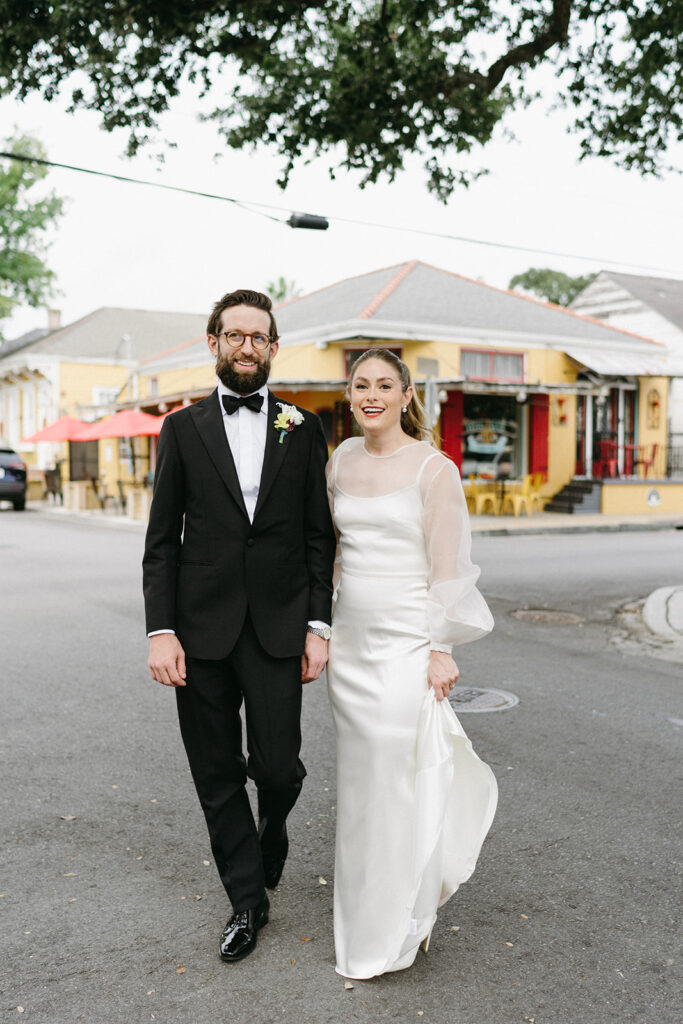
How New Orleans Neighborhoods Shape Your Wedding
French Quarter: This is the New Orleans many people picture first: wrought-iron balconies, hidden courtyards, gas lanterns, and streets paved with stones that feel like they’ve seen centuries of stories. A French Quarter wedding feels intimate and atmospheric, even when you’re in the middle of the city’s bustle. Historic hotels, centuries-old courtyards, and classic restaurants lend themselves to candlelit ceremonies and receptions that feel instantly cinematic.
The upside is undeniable ambiance and walkability; the trade-offs are density and crowds. Narrow streets, limited parking, and heavy foot traffic—especially on weekends or during festivals—mean transportation plans and timing need to be deliberate. For couples who love the romance of European cities but want to stay stateside, the French Quarter can be an ideal fit.
Garden District and Uptown: Just a streetcar ride away, these neighborhoods offer a softer, more residential feel. Think grand homes, wraparound porches, cast-iron fences, gingerbread details, and oak-lined avenues. This is the backdrop for classic Southern elegance: tented receptions on manicured lawns, ceremonies under live oaks dripping with moss, and cocktail hours on verandas with ceiling fans overhead.
The vibe is refined and slower-paced than the French Quarter, with more space for guests to breathe and for larger, estate-style celebrations. Venues here can feel like private worlds tucked inside the city—a good fit if you want a “house party” atmosphere scaled up for a wedding.
Warehouse District and Downtown (CBD): If you prefer a more modern, design-forward atmosphere, the Warehouse District and Central Business District offer industrial lofts, art-filled hotels, and sleek rooftop spaces. Brick walls, high ceilings, exposed beams, and contemporary interiors create an urban-chic look that still feels connected to New Orleans through nearby museums, galleries, and restaurants.
This area works well for weddings with multiple events across different venues because it offers walkability, easy access to hotels, and straightforward transportation. Guests can step out of their hotel and be at your welcome party, rehearsal dinner, or reception within a few minutes.
Bywater, Marigny, and Beyond: A bit more offbeat, these neighborhoods are colorful, creative, and eclectic. You’ll see bold facades, murals, shotgun houses with distinctive trim, and intimate venues tucked into former warehouses or corner buildings. For couples drawn to an artistic or bohemian aesthetic, these areas provide character-filled backdrops and smaller venues with a less tourist-heavy feel.
Because they’re more residential, logistics such as transportation, parking, and noise ordinances need to be considered carefully. When handled thoughtfully, though, these neighborhoods can give your guests the sense that they’ve stepped into the “local” side of New Orleans rather than the postcard version.
Cultural Highlights That Influence Your Wedding Weekend
Music: New Orleans is synonymous with live music. Jazz trios, brass bands, gospel choirs, and second lines are not “add-ons” here; they’re part of the cultural fabric. Couples often weave live music into multiple points during the weekend—ceremony, cocktail hour, a brass band-led second line between venues, or a late-night jazz set.
Because the city’s musicians are used to working weddings and events, they can adapt to a more formal, timeless tone or something looser and more eclectic. A string quartet can play jazz standards for the ceremony. A brass band can escort your guests down the street. A DJ can blend New Orleans classics with your favorite dance tracks. It’s less about checking a box—“we had a brass band”—and more about building a soundtrack that feels like the city and like you.
Food: Cuisine is another defining feature. Creole and Cajun influences, Gulf seafood, and elevated Southern dishes can all appear on your wedding menu. You might see passed mini po’boys, refined gumbo in petite bowls, oysters on the half-shell, shrimp and grits served family-style, and late-night beignets dusted tableside.
Working with a caterer or restaurant that understands both local flavors and fine-dining execution is key. The goal is to introduce guests to New Orleans favorites in a way that feels elegant and digestible—literally and visually. A well-paced, thoughtfully portioned menu lets people enjoy the food and still have energy for dancing and exploring the city the rest of the weekend.
Architecture and Historic Charm: Much of what makes a New Orleans wedding feel timeless is already baked into the buildings themselves—stucco walls, brick courtyards, long French doors, balconies draped in greenery, and intricate ironwork. You’re not inventing a setting from scratch. Instead, you choose a space with strong bones and design around it so your décor feels like it belongs there.
This is where working with your venue’s architecture rather than against it matters. A room with original plaster and chandeliers doesn’t need a ceiling completely covered in florals. A courtyard with a historic fountain doesn’t need a competing focal point. Timeless design here often looks like restraint.
Why Couples Choose New Orleans Over Other U.S. Destinations
Couples considering destination weddings often compare New Orleans to places like Charleston, Savannah, or coastal resort towns. What sets New Orleans apart is the intensity of its culture in a compact, walkable footprint. Guests can hear live music, explore historic neighborhoods, and enjoy exceptional food without ever needing a rental car.
You also get an international-feeling experience—architecture reminiscent of parts of Europe, Caribbean influences, and a strong sense of place—without passports or long-haul flights. For couples based in the Midwest and East Coast, New Orleans is typically reachable by direct flight from major hubs, making travel manageable for a wide range of guests.
Because the city has a long history of hosting events and festivals, its infrastructure is well suited to destination weddings, provided you account for timing and citywide events. Hotels understand group blocks. Venues are used to out-of-town couples. Vendors are accustomed to working around parades and conventions. The key is to use that existing ecosystem instead of fighting it.
When to Get Married in New Orleans: Weather, Seasons, and Citywide Events
Choosing your wedding date in New Orleans isn’t just about what works on your calendar. The city’s climate and festival schedule will directly influence guest comfort, vendor availability, and costs. A weekend that looks perfect on paper can feel very different if it coincides with a major event or mid-summer heat wave.
Understanding New Orleans Wedding Seasons
Spring (March–May): Spring is one of the most popular times for New Orleans weddings, and for good reason. Temperatures are usually mild, humidity is more tolerable, and gardens and courtyards are lush. Outdoor ceremonies and open-air cocktail hours are especially appealing in this season, and you’ll often catch jasmine and other blooms at their peak.
The flip side of this ideal weather is demand: venues, hotels, and vendors book early, and prices may be higher during peak weekends. Spring also aligns with a busy events calendar—Easter, some festival weekends, and late Mardi Gras years—so checking dates against local calendars matters.
Fall (October–November): Fall is equally beloved. After the summer heat breaks, you get pleasantly warm days, cooler evenings, and a rich, moody quality of light that photographs beautifully. Foliage isn’t dramatic in the same way it is in the Midwest or Northeast, but the city’s greenery takes on deeper tones that pair well with autumnal color palettes.
Like spring, fall is a high-demand season. Many couples aim for October and early November to take advantage of comfortable weather and fewer major holidays. Strategic date selection and early booking are important here as well, especially if you’re hoping for a specific historic venue or boutique hotel.
Months That Require Extra Care
Summer (June–September): Summer in New Orleans is hot, humid, and firmly within hurricane season, which officially runs from June 1 to November 30, with peak activity in late summer. It is absolutely possible to plan a summer wedding here, but it requires intentional decisions: fully indoor or well-cooled tented spaces, shorter outdoor time for guests, lighter fabrics for attire, and a clear weather contingency plan.
The upsides: travel and some venue rates can be more favorable, and popular vendors may have more availability. This can be attractive for smaller guest lists, weekday weddings, or couples who prioritize air-conditioned interiors and late-night festivities over extended outdoor time.
Winter (December–February): Winters are comparatively mild. You’ll have cooler temperatures, shorter daylight hours, and the potential for a cozy, candlelit aesthetic that works well in historic interiors. Holiday décor at hotels and restaurants can add to the charm, though you’ll want to confirm how existing decorations may interact with your own design.
One important consideration is the Mardi Gras season, which typically culminates in February or early March and affects availability and logistics significantly. The weeks leading up to Mardi Gras see parades, road closures, and higher hotel rates. It can be thrilling if you want that atmosphere, but it’s not ideal if you’re hoping for a quiet weekend.
Navigating Major City Events and Festivals
New Orleans’ event calendar is robust. While that’s part of its appeal, it also means you need to understand what else the city is hosting around your wedding date.
Mardi Gras Season: Mardi Gras isn’t just one day; it’s a season of parades and celebrations. Lodging prices rise, minimum stays are common, and street closures can make transportation challenging. If your dream is to embrace Mardi Gras energy, you’ll want to work closely with a planner and book as early as possible.
If you’d rather avoid the chaos, choose dates outside of the main parade weekends. The official parade schedule on MardiGrasNewOrleans.com is an essential reference. When in doubt, assume that any weekend with multiple parades will complicate logistics.
Jazz Fest, Sporting Events, and Conventions: Events like the New Orleans Jazz & Heritage Festival, Saints home games, large conventions, and major cultural festivals draw big crowds and can affect hotel availability, traffic, and pricing. The city’s events calendar and convention listings are useful tools while you’re narrowing down dates.
It’s not that you can’t marry on a Jazz Fest weekend or during a big game; it’s that you should know exactly what you’re walking into and plan accordingly.
Choosing Your Date Strategically
Once you understand the seasons and event landscape, think about your priorities and your guests’ realities:
If guest comfort and outdoor time are key, aim for spring or fall dates that do not overlap with major events. If you’re willing to trade milder weather for more competitive hotel rates and a cozier, indoor-focused design, late winter or carefully chosen summer dates might work well.
Here’s a simple way to think about it:
- Prioritize weather and ambiance? Look at March–May and October–early November.
- Prioritize budget and availability? Explore January (outside of peak Mardi Gras) and late summer with strong climate plans.
- Prioritize a specific festival energy? Build the wedding around that, not the other way around.
In every case, check citywide calendars, speak with venues about known conflicts, and build in enough lead time that your chosen date doesn’t force unnecessary compromises on guest accommodations or vendor quality.
Budgeting for a New Orleans Destination Wedding
New Orleans can host everything from intimate, restaurant-based celebrations to multi-day estate weddings, so budgets vary widely. Understanding the specific cost drivers in this city will help you set expectations and allocate funds in a way that supports your priorities instead of surprising you later.
Cost Drivers Specific to New Orleans
Venue and Location Premiums: Iconic and historic properties—particularly in the French Quarter and Garden District—often come with higher rental fees or food and beverage minimums. You’re paying not just for space, but for access to a distinctive setting, historic status, and built-in ambiance that reduces the amount of décor needed.
On the other hand, some smaller venues or restaurants outside the most tourist-heavy areas can offer excellent value with strong character. It’s less about finding the “cheapest” venue and more about finding the space where what you’re paying for actually aligns with your vision.
Food and Beverage: Many New Orleans weddings take place in restaurants, hotel ballrooms, or venues with in-house catering. Food and beverage minimums are common and can be an efficient way to structure your budget if you’re prioritizing cuisine and bar service. For standalone venues that allow outside caterers, you’ll want to factor in rental kitchen build-outs, staffing, and serviceware, which can increase costs.
Live Music and Entertainment: Because music is so integral to the city, many couples invest more heavily here than they might elsewhere: ceremony musicians, cocktail-hour jazz ensembles, a reception band, and a brass band for a second line. There are also associated fees—such as permits and police details—if your second line uses public streets.
None of this is mandatory, of course. You can absolutely have a DJ-only reception or skip a second line. But if part of the reason you chose New Orleans is the music, be honest about where that sits in your priority list and budget for it early.
Where the Budget Typically Goes
Every wedding has its own fingerprint, but in New Orleans, a significant portion of most destination wedding budgets often goes to:
Venue, Catering, and Bar: This is usually your largest combined expense. It encompasses the space itself, food, beverages, staff, rentals that may be included by the venue, and potentially a cake or dessert service. Because so many venues here include at least some rentals, it’s important to understand exactly what’s provided and what’s not (linens, flatware, upgraded chairs, etc.).
Photography, Videography, and Entertainment: Documenting a city as visual as New Orleans is worth a meaningful investment. Photographers and videographers who are familiar with the light, narrow streets, and timing of the city can help you schedule portraits and navigate busy areas. Live bands, DJs, and brass bands shape your guests’ experience of the night and can shift the entire energy of the reception.
Florals, Design, and Rentals: For historic venues and tented receptions, you may be building a full environment: florals scaled to high ceilings, layered linens, upgraded chairs and china, chandeliers, or specialty lighting. In more minimal or modern venues, intentional design helps the space feel warm and wedding-ready.
Hidden or Frequently Overlooked Costs
Budget surprises are rarely about one large, dramatic line item; they’re more often the result of smaller, easily overlooked details that add up:
Permits: A second line parade, use of public parks or streets, and certain outdoor amplified music all require permits. The City of New Orleans and the New Orleans Police and Justice Foundation provide guidelines and fee structures, but couples often underestimate how early these need to be requested and paid.
Transportation and Parking: In dense neighborhoods, especially the French Quarter, parking is limited. Shuttles, trolley charters, or private buses may be needed to move guests between hotels, ceremony sites, and reception venues. If your venue is in a residential area, valet or organized parking plans can also be important. These aren’t glamorous line items, but they directly affect guest comfort and timing.
Additional Events and Experiences: Welcome parties, rehearsal dinners, jazz-club outings, and farewell brunches are common in destination weddings. Even seemingly small touches—like welcome bags with local coffee, pralines, and maps—need to be budgeted thoughtfully. It’s easy to say “it’s just a little something for guests” and then multiply that “little something” by 100 people.
Service Charges and Taxes: Hotels, restaurants, and caterers typically add service charges and local taxes that can total 25–30% (or more) on top of food and beverage estimates. This is true in most cities, but because New Orleans couples often lean heavily into food and drink, the totals can be significant. Ask for “all in” estimates when you’re comparing proposals.
Using a Planner to Align Budget and Vision
An experienced destination wedding planner can help you understand realistic budget ranges for New Orleans specifically, rather than applying generic cost assumptions. That might mean advising you to invest in live music and a quality brass band while simplifying escort displays, or recommending a restaurant buyout instead of a full build-out at a raw space.
The goal isn’t to spend more. It’s to spend intentionally—prioritizing the elements that matter most to you and avoiding common pitfalls that create unnecessary expenses. A planner who knows both New Orleans and other destination markets can also tell you when a quote is simply the “cost of doing business” in a high-demand city versus when there’s room to restructure an approach.
Legalities and Logistics: Marriage Requirements and Permits in New Orleans
New Orleans is known for its spontaneity, but the legal side of getting married here is structured. Understanding Louisiana’s requirements and city permits early will save stress as your date approaches and help you avoid last-minute scrambles for paperwork or approvals.
Louisiana Marriage License Basics
You do not need to be a Louisiana resident to obtain a marriage license in Orleans Parish. Out-of-town couples commonly complete the legal paperwork in New Orleans itself.
Key points to know (always confirm with the Orleans Parish Clerk of Civil District Court, as requirements can change):
Residency: There is no residency requirement for either partner. You can live in Ohio, New York, or anywhere else and still marry legally in Louisiana.
Waiting Period: Louisiana typically has a 24-hour waiting period between the issuance of the license and the ceremony. Under certain circumstances, a judge can waive this; some couples choose to arrive a day or two early to avoid any timing stress and to build in breathing room if flights are delayed.
Identification and Documentation: You’ll need valid photo identification (such as a driver’s license or passport) and a certified copy of your birth certificate. If either of you has been previously married, you may need documentation regarding how that marriage ended (for example, a divorce decree or death certificate). It’s wise to gather these documents well before you fly.
Where and When to Apply: Couples can apply at specific locations in Orleans Parish during designated hours. Office hours and application procedures evolve, so check the clerk’s website and consider calling ahead. It’s also worth asking about holiday closures and any special hours during major events like Mardi Gras.
Officiants and Ceremony Considerations
Louisiana recognizes both religious and civil ceremonies. Your officiant must be authorized under state law, which typically means an ordained minister, priest, rabbi, other recognized clergy, or a judge.
If you have a friend or family member officiating, ensure they meet state requirements and are properly registered in advance. Online ordination alone may not be sufficient; the officiant may need to register with the parish court. This is one of those details that seems small until you’re a week out from the wedding and realize it’s not complete.
Some couples choose to handle the legal marriage at home before or after their New Orleans celebration. This can simplify logistics, particularly for international couples or those with limited time in the city. In that scenario, your New Orleans ceremony can still be structured like a full wedding—vows, rings, readings—without the pressure of paperwork deadlines.
Permits and Permissions
Second Line Parades: To host a second line that uses public streets with a brass band, you’ll typically need a parade permit and a police escort. Costs vary based on duration and route. Application timelines should be respected; many couples rely on their planner, band, or a specialized second line coordinator to navigate the process and ensure all requirements are met.
Street Closures and Public Spaces: If your venue plans involve using sidewalks, courtyards that connect directly to public areas, or staging photos in certain public spaces, you may need additional permissions. This is especially true for large groups or anything involving equipment (arches, furniture, amplified sound). Noise ordinances also come into play, particularly in residential neighborhoods.
Venue-Specific Rules: Historic properties often have their own regulations: restrictions on open flame, décor attachments (no nails or tape on old plaster, for example), load-in routes, and end times. Private estates may have neighborhood-specific noise limitations or parking rules. Understanding these in writing early will shape your design and timeline decisions.
Planning Timelines for Legal and Logistical Details
Build your timeline backward from your wedding date. Confirm marriage license requirements at least a few months in advance and ensure your travel schedule allows for the waiting period. If you’re aiming for a popular weekend, leave yourself time to pivot if office hours are limited or appointments are required.
For second lines and street-related activities, begin permit conversations several months out so you’re not constrained by deadlines. Incorporate these items into your overall planning checklist—not as an afterthought—so they receive the same attention as your venue and design choices.
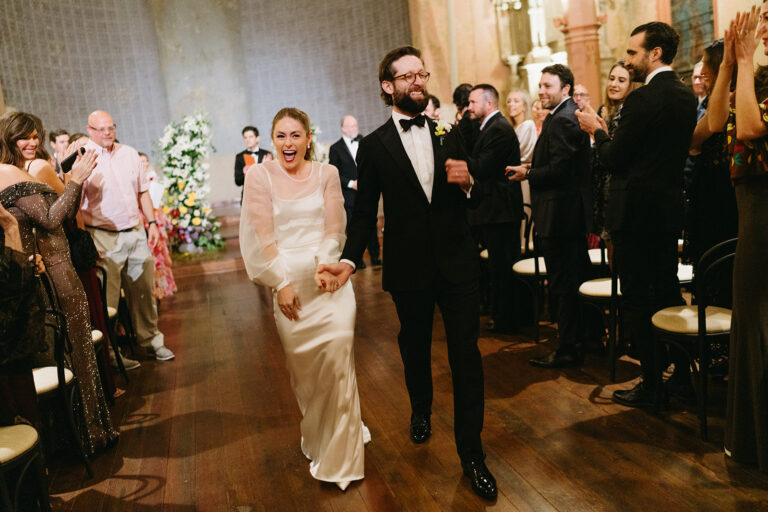
Choosing the Right New Orleans Venue for a Timeless Wedding
Your venue will define the tone of the weekend and heavily influence your design decisions, photography, and logistics. In New Orleans, you’re choosing not just a space, but a style of experience. Are you imagining an intimate courtyard dinner, a grand tented lawn, or a lively restaurant filled with jazz?
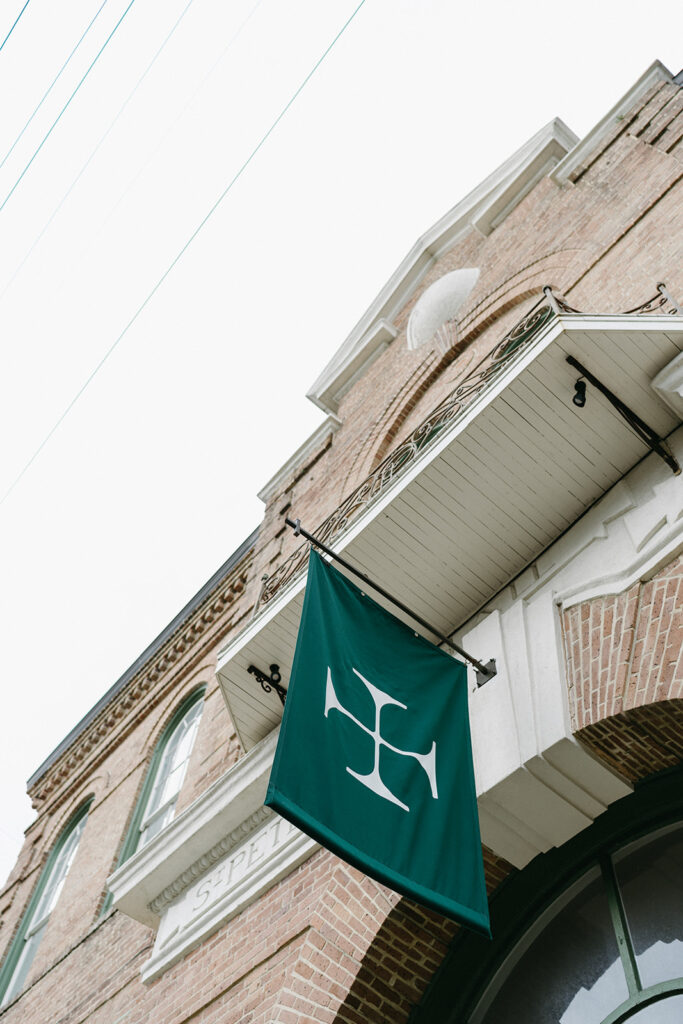
Venue Types That Lend Themselves to Timeless Celebrations
Historic Mansions and Estates: These properties—often found in the Garden District and Uptown—offer a sense of grandeur and intimacy at the same time. Wide porches, double parlors, and manicured grounds create a natural flow from ceremony to cocktails to dinner and dancing. Their architecture provides an elegant canvas for classic design, and many have built-in features like marble fireplaces, grand staircases, and antique chandeliers.
Because they were not originally built as event spaces, you’ll want to pay close attention to room capacities, traffic flow, and where key moments (toasts, dances, cake cutting) typically unfold. A planner familiar with estates and private homes can be especially helpful here.
Boutique Hotels and Inns: Smaller hotels, often in the French Quarter or Warehouse District, combine lodging and event spaces under one roof. Guests can gather in courtyards, rooftop terraces, or salons with distinct character. Boutique hotels work well for destination weddings because they allow you to create a central “home base” for the weekend and often have experienced staff used to handling multi-day events and complex room blocks.
This style of venue is particularly well-suited for weddings where guest connection is a priority. When everyone is staying onsite or within a few blocks, spontaneous lobby encounters turn into impromptu drinks or walks through the neighborhood.
Courtyards, Gardens, and Tented Spaces: New Orleans’ climate and architecture make outdoor settings especially appealing. A brick courtyard with ivy-covered walls or a lawn under live oaks can host ceremonies, al fresco dinners, or tented receptions. Tented weddings require careful planning around weather, flooring, power, and lighting, but they offer the ability to layer in design details while still feeling connected to the landscape.
If you’re drawn to the idea of a tented wedding, it’s important to work with vendors who understand both tent infrastructure and the specific microclimate of the city: how storms move in, what kind of flooring works on local soil, and how to handle drainage if there’s heavy rain.
Restaurants and Jazz Clubs: For smaller guest counts or couples who want a food- and music-forward experience, a restaurant buyout or private room at a jazz club can be ideal. You get the benefit of an existing kitchen and staff, strong interiors, and a built-in sense of place. The key is balancing the venue’s everyday character with the elevated feel of a wedding.
Many well-known restaurants in New Orleans offer private dining rooms or full buyouts that are surprisingly well-equipped for weddings. The trade-off is that you’ll be working within an existing layout and style instead of building from a blank slate—which can be a positive if you’re drawn to their interiors.
What to Consider When Comparing Venues
Capacity, Flow, and Guest Comfort: Many historic spaces were not built with modern event capacities in mind. Understanding how guests will move from ceremony to cocktails to reception is essential. Ask where bars, buffets, and dance floors typically go, and consider how older buildings handle air conditioning, bathrooms, and accessibility.
It’s helpful to imagine your guests hour by hour. Where do they arrive? Where do they put their bags? Where do they get a drink? Where are they sitting, standing, or waiting? Venues that can answer these questions clearly will make your weekend feel seamless rather than improvised.
Indoor vs. Outdoor Balance: Even if you love the idea of an open-air ceremony, you’ll want a true contingency plan in case of rain, extreme heat, or cold snaps. Venues that offer both indoor and outdoor options—or that can be tented effectively—provide flexibility that is invaluable on a wedding day.
Catering Arrangements: Some venues require the use of in-house catering, which can simplify planning but limit menu flexibility. Others allow outside caterers with approved lists. Clarify what is included (tables, chairs, linens, glassware, basic sound) and what will require separate rental contracts. It can be helpful to see sample floor plans and past event photos to understand how the space has been used successfully.
Noise Restrictions and Curfews: In residential or historic districts, amplified music may need to end at a specific time, and outdoor sound levels may be strictly monitored. Understanding these rules will help you shape your timeline and decide whether an after-party at another location makes sense. Some couples choose to end the formal reception earlier and then move to a lounge or club for a later-night continuation.
Key Logistical Questions to Ask Each Venue
As you narrow your list, take time to ask detailed questions about:
Vendor Access and Load-In: What are the earliest and latest times vendors can be on-site? Are there elevators, narrow staircases, or limited entry points that might complicate installation? In dense areas, how do trucks load and unload without blocking traffic or drawing neighbor complaints?
Power and Technical Needs: Older buildings sometimes have limited electrical capacity. Ask how they handle bands, DJs, additional lighting, and tented setups. You may need generators or a lighting vendor familiar with the space. Don’t assume “it will be fine” unless someone has checked the actual power load.
Accessibility: Not all historic buildings are fully ADA compliant. Clarify how guests with mobility considerations will access ceremony areas, restrooms, and reception spaces. If certain areas are only accessible by stairs, plan ahead for seating assignments and where older guests will be most comfortable.
Vendor Lists and Partnerships: Some venues maintain required or preferred vendor lists. This can be helpful when you’re planning from afar, but it’s important to understand how flexible those lists are and whether they align with your aesthetic and priorities. A planner can often navigate these conversations and advocate for vendors who are a strong fit, even if they’re not on an existing list.
Evaluating Venues Remotely with Experienced Support
If you’re planning from out of town, site visits may be limited. This is where working with a planner familiar with historic properties, boutique hotels, and tented weddings in destination markets becomes particularly useful. They can vet spaces, request accurate floor plans, review load-in logistics, and even walk you through venues virtually—highlighting details you might miss on your own.
Instead of choosing based on photos alone, you’re making decisions with someone who understands both design and operations. A courtyard that looks perfect in a single Instagram photo might have challenging dimensions, uneven flooring, or strict noise rules. A planner who has navigated similar properties in New Orleans or other historic cities can help you read between the lines.
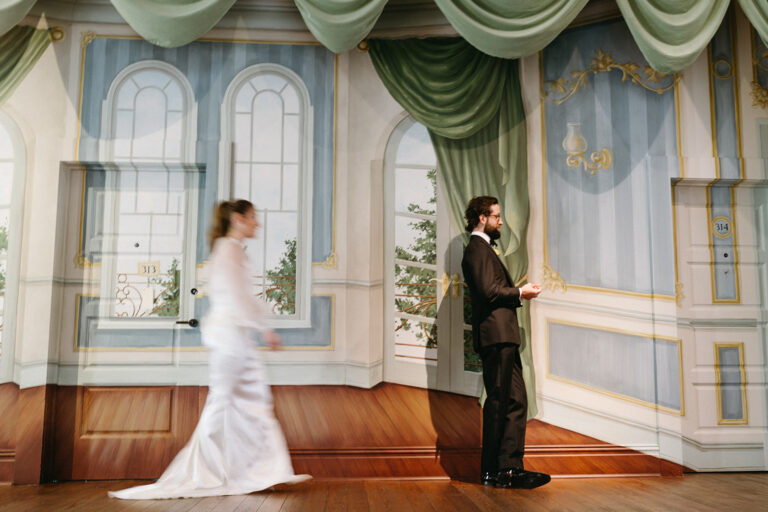
Creating a Timeless New Orleans Wedding Design
In a city with as much personality as New Orleans, a timeless wedding design doesn’t try to compete with the surroundings. It enhances what’s already there and creates a visual story that will age gracefully in photographs and in memory.
Defining “Timeless” in a Visually Rich City
Timeless design doesn’t mean generic or devoid of color. In New Orleans, it often means:
Choosing understated elegance over literal, themed décor. Instead of leaning into Mardi Gras masks and beads, think refined references: classic typography on your invitations, subtle nods to jazz in your paper goods, or a color palette inspired by the patina of local architecture.
Letting the architecture lead. A French Quarter courtyard might call for organic arrangements that look like they’ve always been there, layered candlelight, and linens that echo the colors of the surrounding stone. A modern Warehouse District loft might benefit from clean lines, tailored florals, and a few sculptural pieces that play off exposed brick and steel.
Thinking in terms of proportion and restraint. New Orleans spaces often already feel full—visually and energetically. Adding every design idea you’ve ever loved can crowd both the space and the story. Timelessness lives in the edit.
Color Palettes and Textures That Complement New Orleans
New Orleans exteriors often feature soft stuccos, weathered brick, and muted pastels. Interiors may include polished wood, antique mirrors, patterned tile, and patterned wallpapers. Some palettes that work well in this context include:
Neutrals with Romantic Accents: Cream, ivory, dove gray, and soft blush layered with taupe or sand tones. This keeps the overall look refined and allows the setting to shine. You can add depth with texture—linen, silk, velvet—rather than relying solely on color.
Mossy Greens and Classic Metallics: Deep greens, sage, and olive paired with warm metallics like brushed gold or antiqued brass feel at home in courtyards and historic parlors. They echo the city’s lush landscaping and vintage details and pair beautifully with candlelight.
Historic Inspiration: Drawing on the colors found in local interiors—rich blues, tobacco, garnet, or faded ochre—can create depth. The key is to keep the saturation balanced so your palette feels sophisticated rather than overwhelming. Think one or two saturated tones supported by neutrals, not a palette of all bold colors competing with each other.
Florals and Décor for Historic and Tented Spaces
In historic spaces, it’s helpful to think in terms of integration rather than overlay. Work with the existing architecture: frame doorways with greenery instead of covering them, place arrangements where they complement fireplaces or staircases, and scale installations thoughtfully so they don’t overpower smaller rooms.
Candlelight is especially effective in New Orleans. Hurricanes and lanterns on tabletops, clusters of votives on mantels, and subtle uplighting can enhance the existing ambiance without feeling theatrical. The right lighting plan can make an already beautiful room feel like it’s glowing from within.
For tented receptions—whether on an estate lawn or a courtyard—consider:
- Soft fabric draping and tailored linens to add polish and hide tent hardware where needed.
- Greenery or floral elements integrated into the tent structure for a sense of enclosure and romance.
- Thoughtful flooring and lighting to keep the space functional and inviting regardless of weather.
In both historic and tented environments, scale matters. A few well-placed focal pieces—an entry installation, a bar arrangement, a thoughtful head table—often have more impact than florals everywhere with no clear visual story.
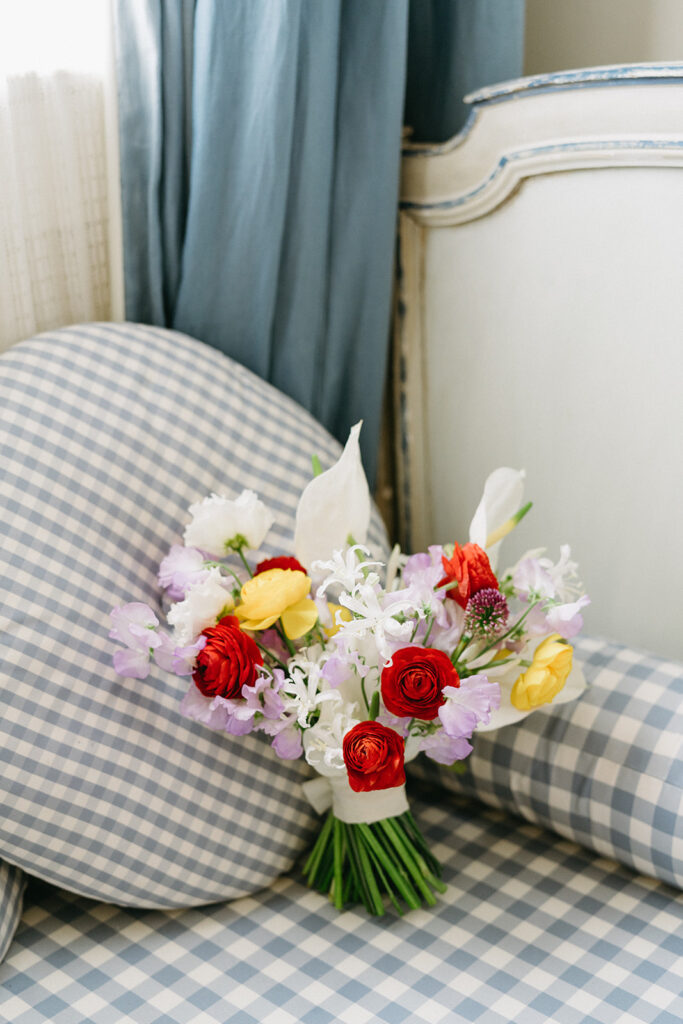
Balancing Local Flair with Long-Term Appeal
Part of the fun of a New Orleans wedding is embracing local flair without veering into costume-party territory. Some ways to strike that balance:
Subtle Cultural Touches: Custom cocktail napkins featuring a line drawing of your venue or a local streetcar, menus referencing local dishes, or escort cards named after neighborhoods or jazz standards. These evoke the city without relying on clichés.
Thoughtful Paper Goods: Including a small illustration of a trumpet, a fleur-de-lis, or wrought-iron balcony detail on your stationery can be a quiet nod to place. Working with a stationer who understands New Orleans—or who can draw from photographic references—helps keep the look bespoke instead of clip-art.
Avoiding Short-Lived Trends: When in doubt, ask whether a design choice will still feel charming in ten or twenty years. Oversized props, overly literal “speakeasy” décor, or anything that feels borrowed directly from a social media trend can date your photographs quickly. Classic materials—linen, glass, greenery, soft florals—age more gracefully.
The Role of a Planner-Designer Team
A planner with a design focus and experience in historically rooted and tented weddings can help translate your personal style into a design that feels at home in New Orleans. That might mean editing down ideas, tailoring a color palette, or suggesting ways to incorporate meaningful personal references alongside local influences.
For example, if you’re from Cleveland and love Lake Erie’s blues and grays, those tones can show up in your linens or stationery against the warmer hues of a French Quarter courtyard. If you have family heirlooms—silver pieces, textiles, or art—they can be woven into tablescapes or vignette styling. The end result is a wedding that feels both distinctly yours and deeply connected to its setting.
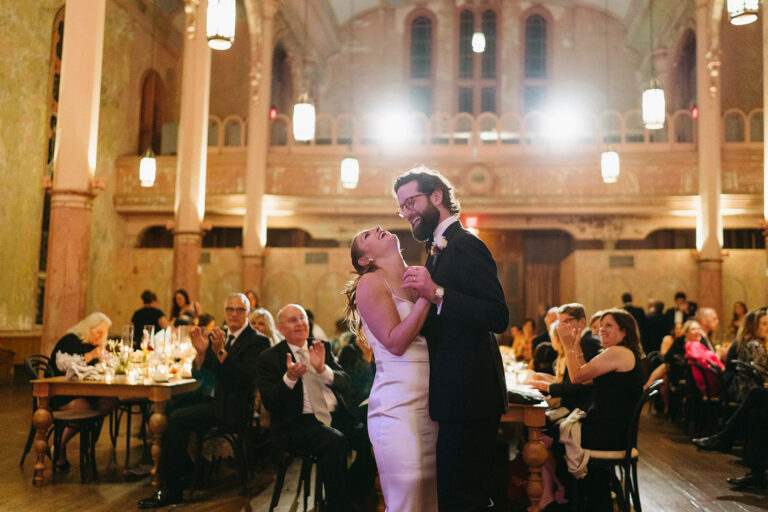
Incorporating New Orleans Culture in a Classic, Not Kitschy, Way
New Orleans culture is vivid and accessible; it doesn’t take much to bring it into your wedding. The art lies in choosing details that feel authentic and considered, rather than assembling a themed checklist.
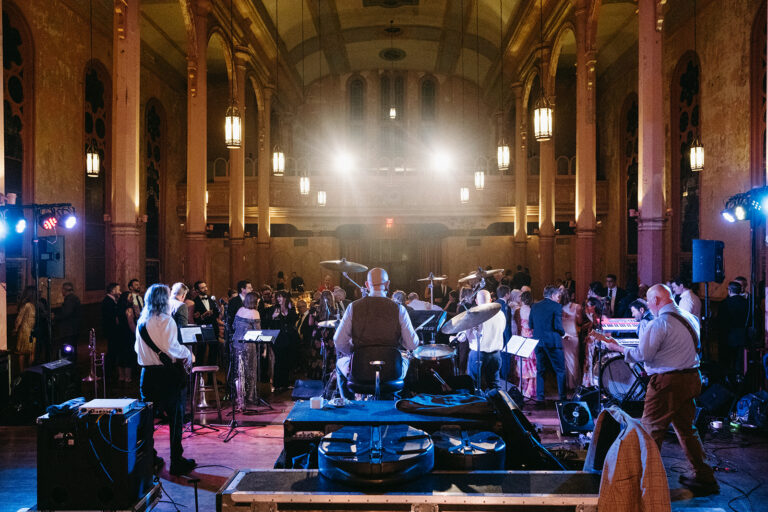
Thoughtful Ways to Include Music
Ceremony and Cocktail Hour: Strings can still feel entirely at home in New Orleans, especially if you incorporate arrangements of jazz standards or local compositions. Alternatively, a small jazz ensemble can provide a sophisticated soundtrack that hints at what’s to come without overpowering the ceremony’s formality.
For cocktail hour, a trio or quartet can create an atmosphere that feels unmistakably New Orleans—without requiring guests to shout over the music. Think of it as setting the tone for the evening and giving guests the feeling of stumbling into a great local club, except that everything is tailored to you.
Second Line and Reception Entrances: A brass band leading you and your guests through the streets or into your reception space is an unforgettable moment—and a very New Orleans one. Work with professionals who understand wedding pacing and can coordinate with your planner to manage timing, permits, and guest direction. A good band will know how to keep the energy high while still respecting neighbors and schedules.
Curated Playlists: Even when live musicians take breaks, your playlists can continue the sense of place: classic New Orleans artists, carefully chosen modern tracks, and a balance of familiar songs and local flavor. You might share a short “must play” and “do not play” list with your DJ and trust them to weave in regional favorites that feel right for your crowd.
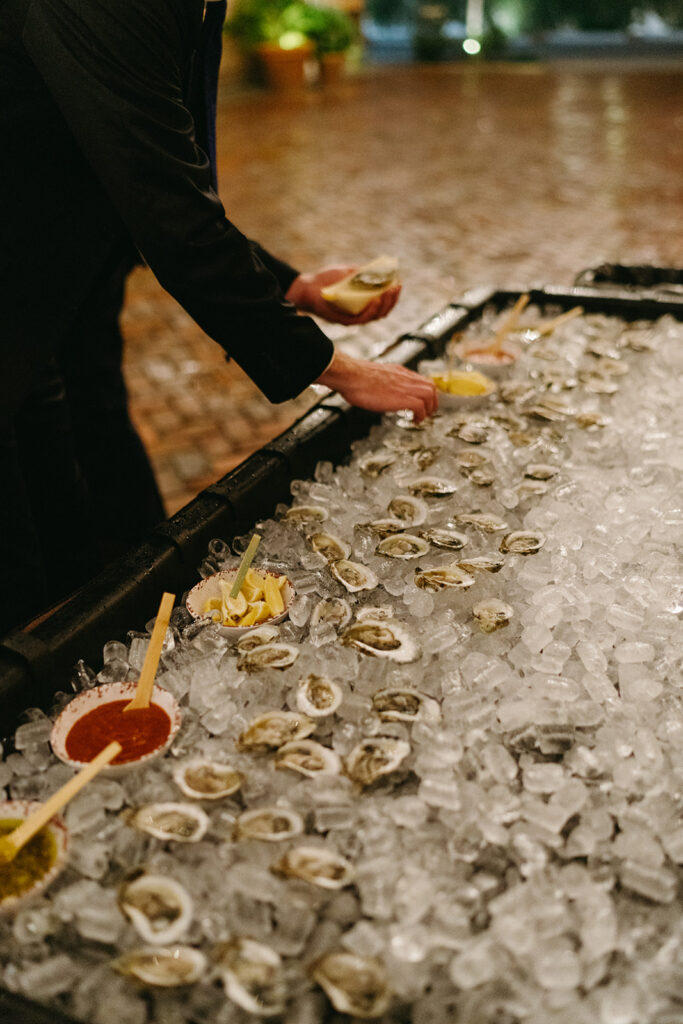
Food and Beverage with a Refined Local Twist
Food is an opportunity to introduce guests to New Orleans in a way that feels indulgent but polished.
Elevated Local Dishes: Small plates of étouffée, elegantly presented gumbo, or oysters served multiple ways (raw, charbroiled, or as part of passed hors d’oeuvres) allow guests to sample without feeling overwhelmed. Thoughtful portioning and presentation keep things refined; no one needs a full-size po’boy in a tuxedo.
Signature Cocktails: Classic drinks like the Sazerac, French 75, and Ramos Gin Fizz have deep roots in New Orleans. You might offer a lighter variation of a Sazerac for broader appeal, or a champagne cocktail inspired by a French 75 for your welcome drink. Using local spirits or bitters adds another layer of authenticity. For guests who don’t drink alcohol, zero-proof versions can echo the same flavor profiles and garnishes.
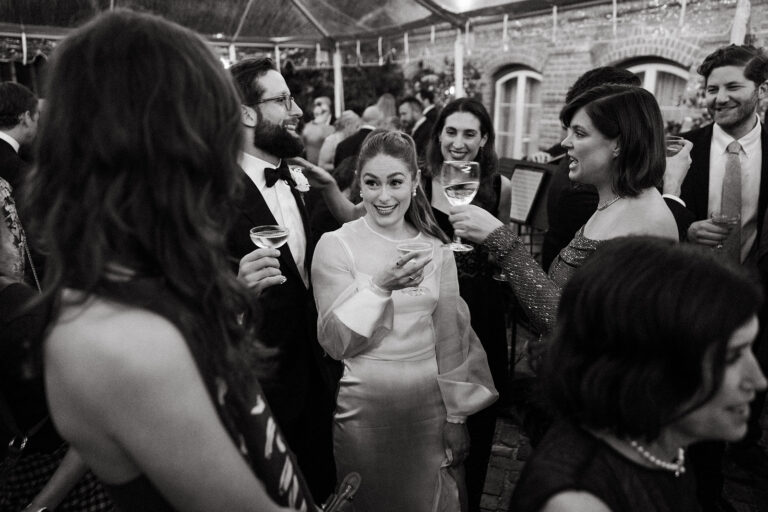
Late-Night Bites: Beignets, mini muffulettas, or chicory-laced coffee service can be a nod to the city’s late-night culture. Presented thoughtfully—on trays with linen napkins or at a small, staffed station—they feel more like a curated experience than a novelty. Late-night snacks also help guests recover from dancing and cocktails and make the walk back to their hotels more pleasant.
Guest Experiences and Traditions
Second Line Etiquette: Beyond permits and logistics, guests may need a brief introduction to what a second line is and how to participate. A short explanation on your wedding website or a printed note in welcome bags—encouraging guests to dance, wave handkerchiefs, and follow the band—makes the experience inclusive rather than confusing.
Handkerchiefs, Parasols, and Details: Custom handkerchiefs or simple white ones can be distributed to guests for the second line. Parasols for the couple or wedding party are a traditional touch. These items work best when designed to complement your overall aesthetic, not overshadow it. If your palette is moss green and ivory, for example, parasols and hankies in those tones will feel considered rather than costume-like.
Welcome Bags with Local Touches: Bags or boxes might include local coffee (like a chicory blend), pralines, small bottles of hot sauce, and a printed neighborhood guide. Including a simple map and a few personal recommendations for restaurants and music venues can help guests feel oriented. It’s a small way of saying, “We’re so glad you came all this way—here’s how to enjoy it.”
Respecting Local Culture and Residents
New Orleans is generous in sharing its culture, but it’s still home to many people. Being mindful means:
- Working with reputable, local musicians and vendors who understand traditions.
- Following city rules around noise, permits, and public spaces, rather than assuming exceptions will be made.
- Encouraging guests to engage respectfully with neighborhoods they’re visiting—staying on sidewalks, being mindful late at night, and supporting local businesses.
This approach not only supports the community but also creates a richer, more grounded experience for everyone involved. Weddings feel better when they’re in dialogue with a place instead of simply using it as a backdrop.
Planning from Afar: Destination Wedding Logistics in New Orleans
Coordinating a wedding in New Orleans while living hundreds of miles away is absolutely possible; it just requires a realistic timeline, clear communication, and a structure for decisions. If you’re used to planning events in your own city, the main shift is learning to trust a team on the ground and to use your visits strategically.
Building a Realistic Planning Timeline
For most destination weddings, a lead time of 12 to 18 months is ideal. That window allows you to secure preferred venues and vendors, especially in high-demand seasons like spring and fall.
If your timeline is shorter—nine months or less—prioritizing becomes even more important. You’ll want to secure your venue, planner, and key vendors quickly and be open to weekdays or non-peak dates that can offer more flexibility.
Plan at least one, and ideally two, focused visits:
Early Visit: Venue tours, initial walkthroughs, and getting a feel for neighborhoods. This is when you decide what part of the city feels like “yours” and lock in your date and venue.
Later Visit: Tastings, final walkthroughs, hair and makeup trials, and possibly a second round of design meetings. This visit can be closer to the wedding and focused on fine-tuning rather than big-picture decisions.
A planner can help consolidate meetings during these visits so you maximize your time in the city and don’t spend half the day in transit. Many couples find that a well-structured 48–72 hours on-site accomplishes more than they expect.
Guest Travel and Accommodations
New Orleans’ compact layout means you can often choose one or two primary neighborhoods for hotel blocks and keep guests within easy reach of venues.
Choosing Neighborhoods: The French Quarter offers character and centrality, but can be noisy—especially near Bourbon Street. The Warehouse District and CBD provide convenient access to venues and restaurants with a slightly quieter feel and newer properties. Uptown and the Garden District are more residential and charming, though they may require more transportation for events.
Hotel Types: Boutique hotels offer charm and a sense of place; larger properties offer more room types, loyalty programs, and amenities. Many couples secure a mix, so guests can choose based on their preferences and budgets. Group rates and room blocks are typically coordinated directly with hotel sales teams, and it’s wise to ask about minimums, attrition clauses, and cut-off dates.
On your wedding website, include clear information about the closest airport (Louis Armstrong New Orleans International Airport), transfer options, typical taxi and rideshare costs, and any neighborhood-specific notes about navigation and safety. A short list of recommended hotels at different price points can reduce “where should we stay?” emails.
Transportation During the Wedding Weekend
Because New Orleans is walkable in parts and more spread out in others, transportation plans should be tailored to your venues and guest demographics.
In Dense Areas: For French Quarter or CBD-based weddings, walking between venues can be part of the experience, especially if you incorporate a second line or guided walk. Still, consider shuttles, pedicabs, or specific instructions for older guests or those with mobility considerations.
Shuttles and Charters: If your ceremony and reception are in different neighborhoods—or if you’re hosting events in residential areas—dedicated shuttles or trolleys can keep things on schedule and minimize parking issues. Work with transportation providers who understand local traffic patterns and event timelines.
Planning Around Parades and Road Closures: Always verify whether your date coincides with parades, sporting events, or festivals that might close streets or complicate travel. Build buffer time into your schedule and communicate clearly with guests about recommended arrival times and routes. Your planner and transportation team will often have up-to-date insight that doesn’t show up on public maps yet.
Communicating with Guests Effectively
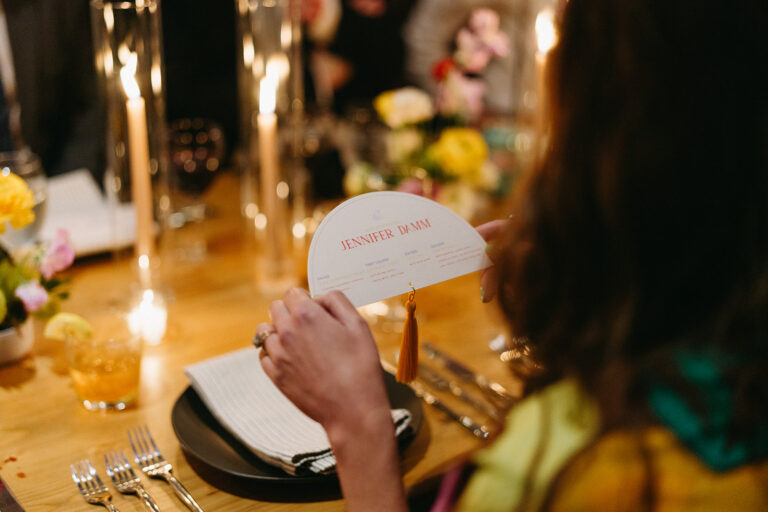
Your wedding website becomes a central hub for information in a destination city. Think of it as your shared reference point so you’re not answering the same questions individually.
Helpful sections include:
- A basic weekend itinerary with clear time frames and dress codes for each event.
- Transportation notes: whether shuttles are provided, how far venues are from hotels, and any expected walking.
- A short list of curated recommendations for restaurants, bars, and music venues that align with your style and comfort level.
- Local etiquette notes—such as tipping musicians, expectations around second lines, and how to enjoy nightlife while staying aware of surroundings.
A brief email or mailed card a few weeks before the wedding can recap key details, share a weather snapshot, and highlight any late-breaking updates (for example, new street closures or construction near your hotel).
How a Destination-Focused Planner Manages from Another Home Base
Working with a planner who isn’t based in New Orleans but has extensive destination and historic-venue experience can actually be an advantage. They’re accustomed to planning across time zones, consolidating travel for site visits, and coordinating with local vendors remotely.
You benefit from both their broader perspective—what works in different regions and climates—and their ability to adapt those best practices to New Orleans’ specific context. Virtual meetings, shared documents, annotated floor plans, and organized decision timelines keep the process moving without requiring you to be in the city frequently.
For firms like Shi Shi Events that specialize in boutique, historically rooted, and tented weddings across the Midwest, East Coast, and Southern United States, New Orleans becomes part of a broader portfolio of complex, character-rich locations. The logistics of a tented estate wedding outside Cleveland are different from a French Quarter courtyard celebration, but the underlying skills—site evaluation, vendor coordination, contingency planning—translate directly.
Building Your New Orleans Vendor Team
New Orleans has a deep bench of talented wedding professionals, many of whom are intimately familiar with the city’s particular logistics and culture. Choosing the right team will impact not only your wedding day, but the entire planning experience.
Why Local Expertise Matters
Vendors who regularly work in New Orleans understand details that don’t always make it onto a website:
They know how long it truly takes to move a bus full of guests from the French Quarter to Uptown on a Saturday night. They know how humidity affects hair, makeup, and florals at different times of year. They know which courtyards are shady at 4 p.m. in May and which rooftops can be windy in November.
This practical knowledge translates into better timelines, realistic expectations, and quick problem-solving if anything unexpected arises. It also reduces the number of decisions you need to make from scratch; instead, you can respond to informed recommendations.
Key Vendor Categories to Prioritize
Planner and Design Team: Your planner is your primary partner in navigating everything from vendor selection to logistics and design cohesion. They’re especially important in a city that relies heavily on permits, multi-venue coordination, and neighborhood-specific rules. If design is a major priority, working with a planner who also leads or closely collaborates on design ensures that logistics and aesthetics support each other.
Photographer and Videographer: Professionals who know the city can suggest portrait locations that avoid heavy crowds and make the most of available natural light. They also understand how quickly conditions can shift due to weather or events and can adjust plans on the fly. Reviewing full galleries from New Orleans weddings—rather than just highlight reels—will give you a sense of how they handle low light, indoor spaces, and night scenes.
Catering, Bar, and Cake or Desserts: Whether provided in-house by a hotel or restaurant or brought in by an outside team, your culinary vendors should be comfortable executing refined versions of local dishes and managing service in historic or unconventional spaces. Ask about how they handle dietary restrictions, pacing, and late-night offerings.
Music and Entertainment: Bands, DJs, brass bands, and specialty performers need to coordinate with each other and with your planner, especially if your event includes both indoor and outdoor components. Experienced musicians know how to balance classic songs with local flavor in a way that suits your style and your guest mix.
Florist, Rentals, and Lighting: Design vendors familiar with New Orleans venues can suggest what works best in each space: which rental chairs fit comfortably through narrow doors, how to secure florals on delicate railings, and which lighting setups highlight architectural features without overwhelming them. They’ll also understand how to condition flowers in a humid climate so arrangements stay fresh longer.
Questions to Ask Potential Vendors
As you speak with prospective vendors, consider asking:
How often have you worked at our chosen venue or in this neighborhood? What is your approach when there are road closures or event-related delays? How do you handle weather contingencies?
For planners, designers, and photographers: Are you comfortable working primarily via video calls and shared documents? How do you structure decision timelines for destination clients? For caterers and venues: Can we see sample menus that highlight local dishes in an elevated way? How do you handle second line timing with food service?
The goal is to understand not only their portfolio, but also how they think about problem-solving, communication, and collaboration with other vendors.
How a Planner Helps Curate a Cohesive Team
Rather than assembling vendors one by one, a planner can recommend teams that have worked well together in the past, align with your aesthetic, and fit within your budget. This cohesion matters: when vendors understand each other’s workflows and expectations, your wedding day runs more smoothly and your design elements feel integrated—florals complementing linens, lighting supporting photography, and catering working seamlessly with your timeline.
For destination weddings, cohesion also means clear, centralized communication. A planner can act as the hub, ensuring that when one element shifts (for example, you decide to move the ceremony start back 30 minutes), everyone else—transportation, musicians, caterer, photographer—adjusts accordingly.
Sample New Orleans Wedding Weekend Itineraries
No two New Orleans weddings look exactly alike, but it can be helpful to see how a classic weekend might unfold. These sample outlines are starting points you can adjust based on your guest count, neighborhood choices, and priorities.
French Quarter and Garden District Timeless Weekend
Friday: Guests arrive and check into hotels in or near the French Quarter or Warehouse District. That evening, you host a welcome cocktail reception in a courtyard or at a historic bar with a private room—light bites, a couple of classic cocktails, and soft live jazz introduce everyone to the city without overwhelming them. If you’d like, you might organize a short, guided walk for early arrivals to orient them to the neighborhood.
Saturday: The day starts slowly. Guests explore on their own—grabbing beignets, walking Royal Street, or visiting the Historic New Orleans Collection—before changing for a late-afternoon ceremony in a Garden District church or courtyard. After the ceremony, a brass band leads a second line that escorts guests to your reception venue—a historic mansion or boutique hotel nearby.
Dinner is served in multiple rooms or under a tent, with a live band carrying the night. You might end with a small after-party in a nearby lounge or hotel bar for guests who want to keep going, while others head back to their rooms at a reasonable hour.
Sunday: A farewell brunch at a well-known restaurant, with reservations or a partial buyout to keep things organized. Guests can then wander the French Quarter, visit a museum, or head to the airport depending on flight times. On your website, you might suggest a few options for those with evening flights, like a stroll through City Park or a visit to the New Orleans Museum of Art.
Intimate Boutique Hotel or Private Estate Celebration
For a smaller guest count, the weekend can be structured around a single property or a tight cluster of venues, creating a “house party” feel where everyone sees each other often.
Friday: A chef-driven dinner in a private dining room or on a hotel terrace, perhaps paired with a tasting of local cocktails or wines. You might include a brief welcome toast and intentional introductions, especially if many guests are meeting for the first time. The night stays relatively early and relaxed so guests are rested for the main event.
Saturday: A late-morning ceremony in a secluded courtyard, followed by a long, leisurely lunch reception with multiple courses, wine pairings, and live acoustic music. Alternatively, you can plan a late-afternoon ceremony on an estate lawn with a sunset dinner and dancing under a tent.
With a smaller group, it’s easier to consider custom experiences: a private jazz performance on-site, a curated whiskey or rum tasting, or a guided walk through the neighborhood with a local historian. The intimacy allows you to pay attention to details—personalized place cards, hand-written notes, or family-style platters that encourage conversation.
Sunday: A relaxed, flexible breakfast or brunch with a loose timeframe, allowing guests to drop in as suits their travel plans. If the property allows, you might set up a small lounge area outside where guests can sit with coffee and talk about their favorite moments from the weekend.
Considering Guests’ Free Time
Part of the appeal of New Orleans is what guests can discover on their own. On your website or in welcome materials, you might suggest:
A few neighborhoods for wandering: the French Quarter for history and architecture, Magazine Street in Uptown for shopping and cafés, the Marigny for music and colorful houses. Select museums and sites, such as the National WWII Museum, the New Orleans Museum of Art, or historic homes like the Gallier House.
Live music venues that are welcoming to visitors and not overly tourist-focused. It’s often helpful to recommend a few options at different energy levels—one quieter jazz club, one livelier spot, and one classic bar with occasional live sets.
Alongside recommendations, include brief notes on safety—such as staying in well-populated areas at night, keeping valuables close, and using licensed cabs or rideshares—so guests feel prepared rather than anxious.
Common Mistakes to Avoid When Planning a New Orleans Destination Wedding
New Orleans rewards thoughtful planning. Many of the most common missteps are less about big decisions and more about underestimating the city’s particular rhythms and infrastructure.
Over-Scheduling Guests: It can be tempting to plan an activity for every hour of the weekend, especially if you love the city and want to share as much as possible. But part of the joy of New Orleans is unstructured exploration. Leaving windows of free time lets guests wander, rest, and discover their own favorite corners of the city.
Leaning Too Hard into Clichés: Beads, masks, and bold purple-green-gold combinations can quickly push a wedding into theme-party territory. Used sparingly and thoughtfully, they can be fun; used heavily, they overshadow the more nuanced, enduring side of the city. If you’re unsure whether something is charming or cheesy, it often helps to imagine it in your photo album twenty years from now.
Underestimating Weather: Heat, humidity, and sudden showers are recurring characters in New Orleans. Failing to provide shade, hydration, and a realistic indoor backup plan can make even a beautifully designed event feel uncomfortable. The same goes for winter chills or unexpected wind on rooftops. Comfort is part of design; fans, parasols, lap blankets, or warm signature drinks can all be both practical and lovely.
Ignoring City Events and Logistics: Booking a date that conflicts with a major festival or sporting event without understanding the implications can lead to limited hotel availability, increased costs, and traffic complications. A ten-minute ride can become forty-five minutes if you haven’t accounted for a parade route.
Skipping Professional Planning Support: New Orleans is not a “simple” destination city, especially if you’re considering a second line, multiple venues, or a tented reception. Without someone managing details, it’s easy to overlook permits, neighborhood-specific regulations, and vendor coordination. Even highly organized couples often find that having a planner on the ground—or one who specializes in destination work—lets them actually enjoy the weekend instead of troubleshooting it.
How a Destination Wedding Planner Supports a Timeless New Orleans Celebration
Working with a planner who has deep destination experience and an affinity for historic venues, boutique hotels, and tented weddings can transform the way you experience planning in New Orleans. Instead of piecing together information from different corners of the internet, you have a guide who knows how the pieces fit together in real life.
Neutral, Design-Forward Guidance
An outside planner isn’t tied to any single venue or vendor; their primary focus is aligning your vision with what works practically in the city. They can gently steer you away from over-theming, help you refine a design concept that feels both personal and context-sensitive, and ensure the aesthetic decisions you make will still feel like you in years to come.
This often looks like asking better questions at the outset: How do you want the weekend to feel for your guests? What kinds of spaces make you feel most at ease? Which traditions matter to you, and which can fall away? In a city with so many options, that clarity is invaluable.
Experience with Complex Venues and Logistics
Historic buildings, tented lawns, and boutique hotels all have particular needs: power, flooring, load-in restrictions, and neighborhood regulations. A planner used to working in these environments across different regions can anticipate what might go wrong and design solutions before issues arise—whether that’s adding a generator, adjusting your layout, or reworking your timeline around local events.
For example, Shi Shi Events regularly works in historic venues and private estates throughout the Midwest and East Coast, where preservation rules and logistical hurdles are common. That experience translates seamlessly to New Orleans properties where protecting architecture, managing neighbors, and coordinating multiple vendors in tight spaces all matter.
Coordinating Between Your Home Base and New Orleans
For couples based in places like Cleveland, Chicago, New York, or Atlanta, a planner can act as both a translator and a connector. They help you:
- Schedule site visits and tastings efficiently so every trip to New Orleans feels purposeful rather than rushed.
- Review contracts and proposals with an eye for local nuances, like permitting, noise rules, and timing constraints.
- Maintain consistent communication among vendors so your design, logistics, and guest experience support one another instead of existing in separate silos.
The most tangible benefit is often invisible: you’re able to stay focused on your life at home—careers, families, everyday decisions—while the complex, behind-the-scenes work of a New Orleans wedding is handled methodically.
Designing a New Orleans Wedding That Truly Feels Like You
Planning a timeless destination wedding in New Orleans is less about replicating what you’ve seen and more about choosing what resonates with you and your guests. The city provides extraordinary raw material: historic streetscapes, layered architecture, distinctive food and music, and a pervasive sense of celebration. Your role is to decide which pieces to highlight and how to weave in your own story.
For some couples, that might mean a French Quarter courtyard ceremony with a classic jazz trio and a simple, elegant dinner. For others, it might be a tented reception under live oaks in the Garden District with long farm tables, candlelight, and a band that keeps everyone on the dance floor until the last song. There’s no single “right” way to do a New Orleans wedding—only the way that feels most like you.
When you prioritize meaning, guest comfort, and design that feels rooted in place rather than in trends, you end up with a wedding that ages well. A ceremony under live oaks, a candlelit dinner in a courtyard, a brass band leading your friends and family through the streets—these are scenes that will feel as compelling decades from now as they do today.
Use this guide as a framework as you research neighborhoods, venues, and seasons, and as you weigh whether to incorporate a second line or host everything in a single historic property. As you move deeper into planning, you may find it helpful to bring in professional support—someone who understands both the intricacies of New Orleans and the realities of organizing a destination wedding from another city.
With the right structure in place, the planning process itself can feel like an extension of the celebration: thoughtful, personal, and grounded in a city that has been hosting unforgettable gatherings for generations.